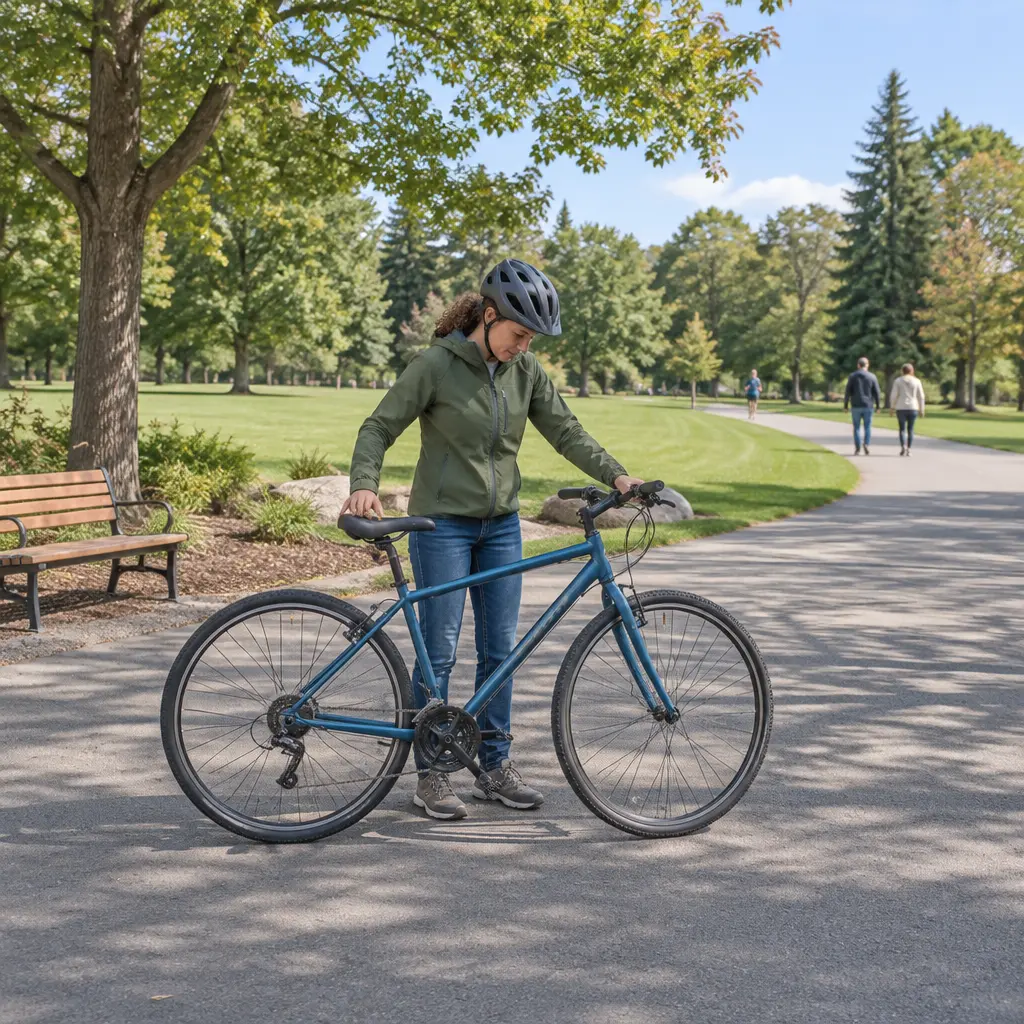
A secondhand bike is a previously owned bicycle whose type, fit, condition, and maintenance history determine how well it suits a new rider. The best choice depends less on the bike’s label or low price than on where and how you ride: road bikes favor paved-distance efficiency, hybrids handle mixed everyday trips, mountain bikes suit trails, and gravel bikes bridge pavement and rough roads. Choosing carefully matters: the U.S. Census Bureau reported that about 0.5% of U.S. workers usually biked to work in 2023, while many more people ride for recreation and local errands. This guide compares the main bike styles, explains fit and used-bike checks, and offers a practical way to match your riding habits to a suitable purchase.
Match a secondhand bike to your riding style
There is no single authoritative definition of “the right bike for your riding style.” In practical terms, it is a bicycle whose design, fit, condition, and gearing align with your usual terrain, distance, speed, and comfort needs. PeopleForBikes describes bicycle categories by intended use and design, while REI’s bike-buying guidance emphasizes matching a bike to the terrain and activities the rider expects to encounter.
The core categories are road, hybrid or fitness, mountain, gravel, and city or commuter bikes. Their designs involve trade-offs: narrower tires and a forward position often favor speed on smooth surfaces, while wider tires, suspension, and upright geometry can improve control or comfort on rougher ground. On a used bike, however, the category is only a starting point. Frame fit, wear, repair needs, and the availability of replacement parts can matter just as much.
Road bikes for paved distance and speed
A road bike is designed primarily for paved riding, often with drop handlebars, relatively narrow tires, and a riding position that can be more forward-leaning than on a city bike. It is a strong secondhand option for long paved rides, group cycling, and riders who value speed and efficient pedaling. It may be less comfortable for rough paths, frequent stop-start errands, or riders who prefer an upright position.
Before buying, check that the bike’s frame size and reach feel manageable, then inspect the wheels, brakes, drivetrain, and tires. A low-priced road bike may need new tires, a chain, or brake work; add those likely expenses to the asking price. For a beginner, a more relaxed endurance-style road bike may be easier to live with than a race-oriented model.
Hybrid and fitness bikes for everyday versatility
A hybrid bike combines features associated with road and mountain bikes, commonly using a flat handlebar and tires wider than those on a typical road bike. A fitness bike is often a lighter, more pavement-focused variation. These bikes suit commuting, errands, recreational rides, and paved paths, especially when one bicycle needs to cover several everyday jobs.
Check whether the gearing is low enough for the hills you ride and whether the tires have adequate tread and width for your routes. A hybrid can handle packed gravel or smooth paths, but it is not automatically a substitute for a mountain bike on technical trails. Accessories such as lights, a rack, and mudguards may also affect the total value of a used purchase.
Mountain bikes for trails and rough terrain
A mountain bike is built for off-road riding, with features such as wide, grippy tires, sturdy frames, and—on many models—front suspension or front-and-rear suspension. A hardtail has front suspension only; a full-suspension bike has suspension at both ends. Mountain bikes are appropriate for trails and rough surfaces, but their heavier build and knobby tires can feel slower on routine paved commutes.
Used mountain bikes need careful inspection because impacts and trail use can hide costly damage. Look for cracks or dents in the frame, play in the wheels and headset, worn drivetrain teeth, and signs that suspension components leak or fail to move smoothly. A basic bike with a sound frame and working components may be a better buy than a sophisticated model needing specialist repairs.
Gravel bikes for mixed surfaces
A gravel bike is designed for riding on a mix of paved roads and unpaved surfaces, typically combining drop handlebars with clearance for wider tires than many road bikes. It can suit riders who travel beyond smooth pavement but do not need the suspension and trail-specific design of a mountain bike. Some road bikes also have enough tire clearance for light gravel, so the label alone does not determine capability.
On a secondhand gravel bike, confirm the tire clearance, wheel condition, and gearing against your actual routes. Inspect the frame and fork for damage, especially if the bike has been used on rough tracks or carried on a vehicle rack. A gravel bike may be a flexible choice, but it is not necessarily the best value if nearly all your riding is on smooth streets.
City and commuter bikes for practical trips
A city or commuter bike is intended for everyday transport and may include an upright riding position, practical gearing, mudguards, a rack, or lighting. Some models use an internally geared hub or a single-speed drivetrain to reduce routine adjustment needs. They are useful for errands and commuting, but equipment and riding position vary widely, so compare the actual bike rather than relying only on its category name.
Check that lights, brakes, racks, and any built-in locking or shifting systems work properly. If the bike will be parked outdoors, ask about rust and inspect the chain, fasteners, and wheel rims. Practical accessories can make a used commuter a better deal, but damaged or poorly fitted accessories should not distract from frame condition and safe operation.
Evaluate secondhand bike fit, condition, and value
After identifying a suitable category, assess the individual bike. The Bicycle Association and cycling retailers commonly advise buyers to prioritize a safe, correctly sized bicycle and have uncertain mechanical issues checked by a qualified mechanic. A bike that is the wrong size or needs extensive repairs can undermine the advantages of a low purchase price.
Fit the frame to your body and riding position
Bike fit is the relationship between a rider’s body dimensions and the bicycle’s frame and contact points, including the saddle, handlebars, and pedals. Frame sizing varies by brand and model, so a size printed on the frame is not a guarantee of fit. Test the bike if possible: you should be able to reach the controls comfortably, pedal without feeling cramped, and maintain a position appropriate to your flexibility and intended use.
A professional fit is especially useful for frequent or long-distance riding, but a shop can also help identify whether a candidate is fundamentally too large or small. Small adjustments may improve comfort; they cannot reliably correct a frame that is substantially the wrong size.
Inspect safety-critical parts before purchase
A pre-purchase check means examining the bicycle for defects that could make it unsafe or expensive to repair. Inspect the frame and fork for cracks, dents, or corrosion; squeeze the brakes; check that wheels spin without major wobble; and shift through the gears during a test ride. The Park Tool repair guides explain that worn chains and drivetrain components can affect shifting and accelerate wear, making drivetrain condition an important part of evaluating a used bike.
If you are unsure, ask a bicycle mechanic to inspect it before paying. Get an estimate for likely repairs and compare the total cost—purchase price plus repairs and essential accessories—with the cost of a better-maintained alternative. Do not ride a bike with suspected frame damage or unreliable brakes.
Confirm ownership and account for total cost
A responsible used-bike purchase includes reasonable checks that the seller can transfer the bicycle and that its identifying details have not been removed. Ask for any available receipt or service records, and write down the frame serial number. Bike Index, a nonprofit bicycle-registration service, recommends recording identifying information to help owners recover stolen bicycles; a check of available registration records can provide an additional precaution, although no database can prove ownership by itself.
Budget for more than the sale price. A helmet, lock, lights, a tune-up, replacement tires, or drivetrain work may be necessary. A simple comparison table can help: list each candidate’s bike type, fit, visible condition, immediate repair estimate, and expected use. This makes the decision about value more useful than comparing sticker prices alone.
Choose by the rides you actually take
The best secondhand bike is the one that fits your most frequent journeys, not an imagined ideal ride. A rider covering smooth roads for distance should start with a road bike; someone mixing errands, paths, and occasional gravel may prefer a hybrid; a trail rider should look at a mountain bike; and a rider regularly combining pavement with unpaved roads may benefit from a gravel bike. A city bike can be the practical choice when comfort and carrying everyday items matter most.
Before committing, test ride the bike, inspect its condition, verify fit, and seek a mechanic’s opinion if anything is uncertain. These steps help turn the range of secondhand options into a safer, better-value choice. For further guidance, consult a local bicycle shop, a reputable bike-maintenance guide, and your local cycling organization about routes and commuting needs.
Sources: U.S. Census Bureau, American Community Survey, Means of Transportation to Work, 2023, https://data.census.gov/; PeopleForBikes, Bicycle Types and Categories, https://www.peopleforbikes.org/; REI Co-op, How to Choose a Bike, https://www.rei.com/learn/expert-advice/bicycle.html; Park Tool, Bicycle Repair Help and Drivetrain Guides, https://www.parktool.com/blog/repair-help; Bike Index, Bicycle Registration and Recovery, https://bikeindex.org/.