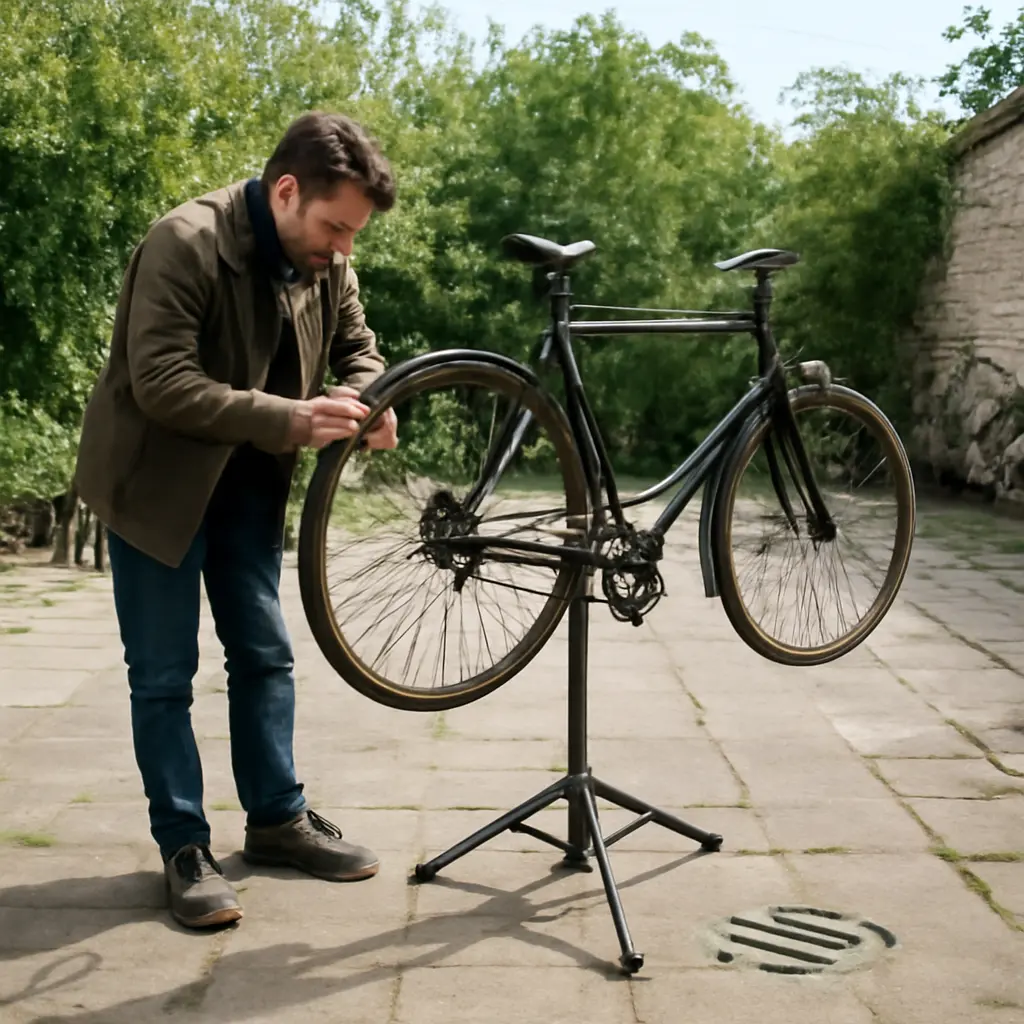
An old bike’s real worth is the price its condition, safety, service history, and local demand can support—not simply the seller’s asking price or the value of its brand. Before handing over cash, identify the bike, inspect its frame and components, test how it rides, and compare it with genuinely similar local listings. This matters because wear can turn a seemingly affordable bicycle into an expensive repair project, while a clean, well-maintained bike may justify a higher price. A careful check of fit, brakes, tires, drivetrain, ownership details, and repair costs gives you a practical basis for negotiating—or walking away.
Assessing an old bike’s condition and value
A used bicycle’s market value is the amount a buyer is reasonably likely to pay for that specific bike in its current condition. It is not the original retail price, a seller’s emotional attachment, or the cost of restoring it. Bicycle Blue Book, a commercial valuation service, estimates used-bike values using factors such as make, model, year, and condition; its figures are best treated as reference points rather than guaranteed sale prices.
The Federal Trade Commission’s advice for secondhand purchases is broadly useful here: check an item carefully, ask questions, and understand that protections can differ depending on whether you buy from a business or a private seller. For bicycles, the price assessment should also account for safety and fit. A bike that requires replacement parts or does not suit the rider may be a poor buy even when its asking price looks low.
Identify the exact bike before comparing prices
A model name alone may not be enough to establish value. Record the brand, model, approximate model year, frame material, wheel size, component level, and any visible upgrades. Look for model labels and serial numbers, and ask the seller for a receipt, service records, or other proof of ownership. A serial number can help distinguish similar bikes and may be checked against a bicycle-registration or theft-reporting database available in your region.
Compare the bike with examples of the same model and similar year, size, and condition. Current asking prices are not the same as completed-sale prices, and a listing may remain online precisely because it is overpriced. Treat valuation websites, shop estimates, and advertisements as evidence to weigh together, not as a single definitive answer.
Separate cosmetic wear from structural damage
Cosmetic wear includes scuffed paint, faded decals, and surface marks that do not affect how the bike functions. Structural damage is more serious: cracks, dents, deep corrosion, a bent frame or fork, or damage around welds and joints can compromise safety. Inspect the frame in good light, including the underside of tubes and areas around the head tube, bottom bracket, and seat stays. On a carbon-fiber frame, pay particular attention to impact damage and ask about crashes; damage may not be obvious from a quick glance.
Do not assume that a low price makes structural concerns acceptable. If you see a crack, a visibly bent component, or signs of a major collision, have a qualified bicycle mechanic assess it before riding—or decline the purchase. A mechanic’s inspection can also reveal issues that a casual buyer may miss.
Inspecting parts that determine an old bike’s repair costs
A bicycle’s condition is the combined state of its frame, wheels, brakes, tires, drivetrain, steering, and bearings. The League of American Bicyclists’ safety guidance emphasizes functioning brakes and a mechanically sound bicycle; for a used-bike buyer, these checks also translate directly into likely costs. Worn parts are not automatically a reason to reject a bike, but their replacement cost should be included in the offer.
Check brakes, tires, and wheels
Squeeze each brake lever and confirm that it engages firmly rather than reaching the handlebar. Check that brake pads contact the intended braking surface and that cables, hoses, and levers show no obvious damage. For disc brakes, look for contaminated pads, damaged rotors, or unusual rubbing. The bike should stop predictably during a cautious test ride; weak or inconsistent braking deserves professional attention.
Inspect tires for cracks, cuts, exposed casing, and a squared-off or heavily worn tread. Spin each wheel and watch for side-to-side wobble, uneven rotation, or a damaged rim. Check spoke tension by gently squeezing neighboring spokes and look for missing or loose spokes. A pair of replacement tires, a wheel true, or new brake pads may be manageable expenses, but a damaged wheel or multiple neglected systems can quickly erase the apparent bargain.
Evaluate the chain, gears, and bearings
The drivetrain includes the chain, chainrings, cassette or freewheel, derailleurs, and shifters. Shift through the gears while pedaling gently. Listen for skipping, grinding, or repeated chain drops, and look for rust or stiff chain links. A chain-wear gauge is a useful tool: a mechanic can measure elongation and advise whether the chain or connected drivetrain parts need replacement. A badly worn chain may also have worn the cassette and chainrings, making the repair more expensive than a chain alone.
Check for play or roughness in the headset, bottom bracket, and wheel hubs. With the bike stationary, hold the front brake and rock the bike gently to detect movement around the steering. Lift each wheel and spin it to listen for grinding or feel bearing roughness. These symptoms can indicate adjustment or bearing work, but they may also point to more extensive wear. Ask a shop for an estimate if the cause is unclear.
Use a test ride to validate the inspection
A short, controlled test ride checks whether the bike tracks straight, shifts reliably, brakes evenly, and feels stable at a comfortable pace. Confirm that the saddle, handlebars, and controls can be adjusted to fit. Stop immediately if you hear a sharp crack, feel sudden steering movement, or notice a brake failure. A test ride should supplement—not replace—a close inspection, especially when the bike has been stored outdoors or has no service history.
Fit affects practical value as much as mechanical condition: a bike that is the wrong size can be uncomfortable or difficult to control. If you are unsure, ask a reputable shop to check the frame size and basic fit before purchase. A good deal is only useful if the bike can be ridden safely and comfortably.
Estimating a fair offer for an old bike
A fair offer starts with comparable local bikes and adjusts for the specific example in front of you. Price guides can help establish a reference range, but location, season, demand, parts availability, and the condition of the individual bike all influence what it will actually sell for. For an older bicycle, a rare or desirable model may attract a specialist buyer, while a common model with obsolete or hard-to-find components may be worth less than its original price suggests.
Build a repair-cost estimate
List each confirmed or likely repair and obtain realistic parts-and-labor estimates. A local bicycle shop can identify whether a worn part needs adjustment, replacement, or a more involved repair. Then compare the asking price plus estimated repairs with the cost of a similar bike that is ready to ride. This “total cost” comparison is more useful than negotiating from the advertised price alone.
For example, suppose two comparable bikes are listed at similar prices, but one needs tires, brake pads, and a drivetrain service. If a shop’s estimate for those jobs is substantial, the less expensive listing may not be the better purchase. Use actual quotes where possible; broad guesses can understate labor costs or overlook related worn parts.
Account for service history and included equipment
Receipts and maintenance records can support a higher valuation when they document recent, relevant work, such as wheel servicing or replacement of worn drivetrain components. They do not guarantee that the bike is currently problem-free, so verify the work and inspect the bike anyway. Accessories such as lights, a lock, racks, or pedals add value only if they are functional, suitable, and useful to you.
Be cautious about expensive upgrades. A custom component may have cost the seller a great deal but may not increase the bicycle’s resale value by the same amount. Value upgrades according to their condition, compatibility, and what comparable buyers are likely to pay—not their original retail price.
Negotiate with evidence and know when to walk away
Make a calm offer based on comparable bikes, visible wear, and repair estimates. Identify the specific findings rather than making a vague claim that the bike is “too expensive.” Ask whether the seller will allow a mechanic inspection, especially if the model is valuable or the condition is uncertain. A seller who refuses reasonable checks, cannot explain ownership, or pressures you to pay immediately is a reason to pause.
Walk away if you cannot verify the bike’s identity or ownership, if the frame or fork may be unsafe, or if the total purchase-and-repair cost exceeds your budget. Local rules and buyer protections vary; private sales may offer less recourse than purchases from a shop. Keep a written receipt that records the date, price, bike description, and seller’s details where appropriate.
Conclusion: Pay for the bike in front of you
An old bike’s real worth depends on its identity, structural condition, working components, fit, maintenance history, and local market—not on nostalgia or the original sticker price. Compare like with like, inspect safety-critical parts, test ride cautiously, and include realistic repairs in your calculation. Use valuation guides as starting points and seek a mechanic’s opinion when damage or repair costs are uncertain. Before handing over cash, verify ownership, agree on a price supported by evidence, and be ready to walk away if the bike is unsafe or the numbers do not work.
Sources: Bicycle Blue Book, Bicycle Values and Used Bicycle Valuation Guide, https://www.bicyclebluebook.com/; Federal Trade Commission, Buying Used Goods, https://consumer.ftc.gov/articles/buying-used-goods; League of American Bicyclists, Smart Cycling: Bicycle Safety Tips, https://bikeleague.org/ridesmart/;