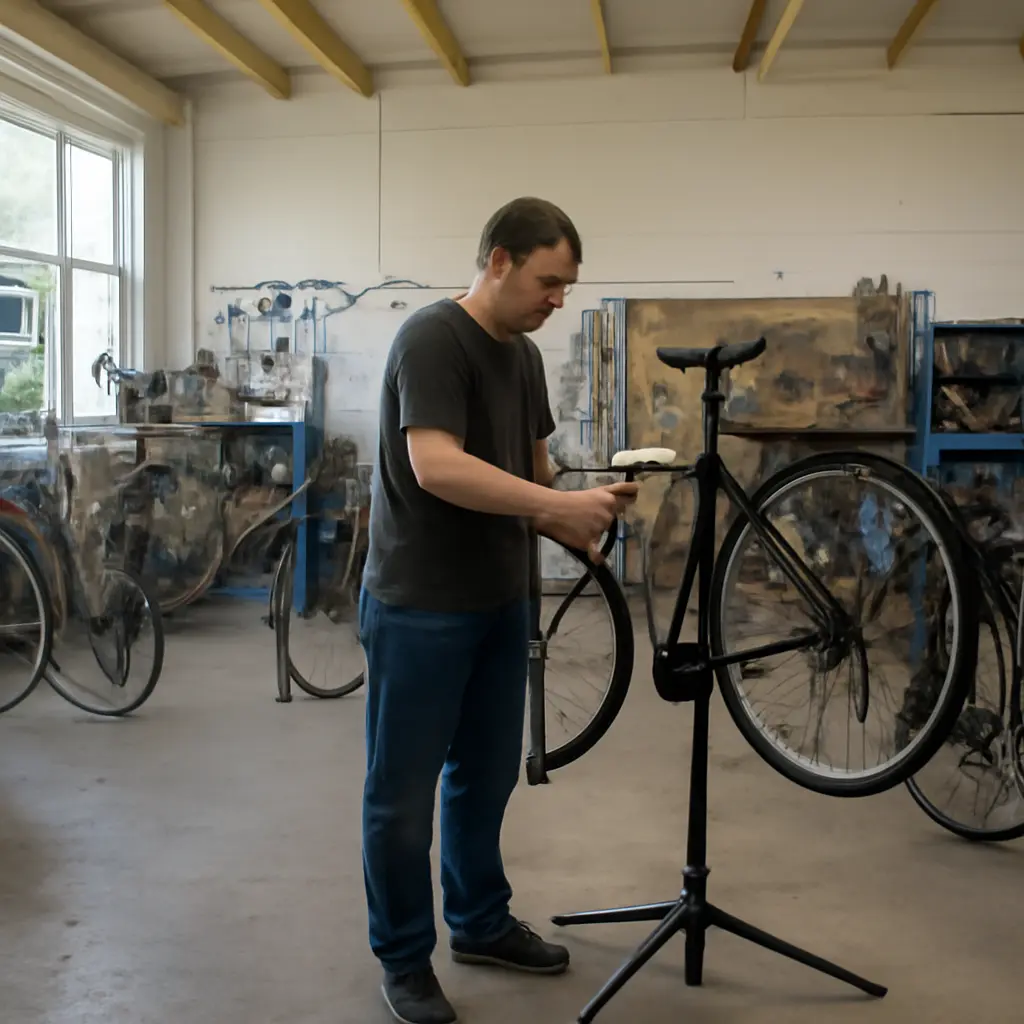
A durable secondhand bike is not simply an old model from a famous brand: it is a well-maintained bicycle whose frame, standards, and replacement parts remain usable after its original moment of popularity has passed. Buying one means looking beyond logos and trends to evaluate condition, fit, serviceability, and total cost. That approach matters in a market where product cycles and component standards change quickly, while the U.S. Environmental Protection Agency estimates that recycling and composting prevented the release of more than 193 million metric tons of carbon dioxide equivalent in 2018—one reminder of the environmental value of extending product life. This guide explains what makes a bike and its components durable purchases, which brands and parts can be easier to keep running, how to inspect a used bike, and when a bargain is not worth the risk.
Durable secondhand bikes: what longevity means
A durable secondhand bike is a used bicycle that remains safe, repairable, and practical for its intended riding after purchase. Durability is not a brand guarantee. It depends on the frame and fork’s condition, the availability of compatible parts, the bike’s fit, and whether its price leaves room for repairs. The Bicycling Association of America and bike-industry service guidance commonly distinguish routine wear items—such as tires, chains, brake pads, and cables—from structural damage that can make a frame or fork unsafe.
The strongest used-bike candidates usually have a sound frame, common component standards, and a clear service history. Steel, aluminum, titanium, and carbon frames can all last, but each requires appropriate inspection and repair expertise. A well-kept, ordinary bike with widely available parts may be a better long-term purchase than a highly specialized model with scarce components.
Frame life and repairability
Frame durability means more than resistance to scratches: it means the frame and fork have no cracks, serious corrosion, compromised joints, or impact damage. Steel frames are often repairable by a qualified framebuilder, while aluminum repairs are more specialized and may not be economical. Carbon damage can be difficult to identify visually, so a suspected impact or deep crack calls for expert assessment rather than a home repair. Regardless of material, inspect welds or bonded areas, the head tube, bottom bracket, fork crown, and dropouts.
Serviceability and standards
Serviceability is the ability to maintain a bike using parts and tools that mechanics can still source. Common seatpost diameters, threaded bottom brackets, standard headset sizes, and widely used brake and drivetrain parts can simplify repairs. Conversely, proprietary seatposts, uncommon electronic systems, discontinued suspension parts, and unusual wheel standards can make an apparently cheap bike costly to maintain. Before buying, identify the exact model year and component specifications; a brand name alone does not establish parts compatibility.
Long-lived bike brands and model families
A brand’s reputation can help narrow a search, but it is not proof that an individual used bike is sound. Brands with broad dealer networks and long-running model families may offer better access to service knowledge and replacement parts. Trek, Specialized, Giant, Cannondale, Kona, Surly, and other established manufacturers have produced many durable bikes, but quality varies by model, year, use, and maintenance. Favor a specific, verifiable bike over a brand-wide claim.
Mainstream road, hybrid, and mountain bikes
Mainstream models are often practical used purchases because their original components were produced in large numbers and their repair needs are familiar to independent shops. A basic hardtail mountain bike or hybrid with standard wheels, mechanical brakes, and a common drivetrain can be easier to keep running than a more exotic design. Check whether the model’s axle, brake, and drivetrain standards match parts currently available; specifications can change between model years even when the model name stays the same.
Steel touring, commuter, and utility bikes
Steel touring and utility bikes are valued for practical mounts, robust construction, and the possibility of frame repair, though steel can rust if neglected. Models from makers such as Surly and Kona are often discussed in touring and commuting circles, but the individual frame still needs careful inspection, especially around concealed areas, cable guides, and joints. Rack and fender eyelets, standard wheels, and straightforward mechanical components can make a bike useful for years beyond a trend cycle.
Vintage and discontinued models
Vintage bikes can offer excellent value when their sizing suits the rider and their parts remain obtainable. However, age can bring obsolete brake standards, worn bearing surfaces, hard-to-find replacement wheels, and hidden corrosion. A classic model’s reputation does not offset a cracked fork or a seized seatpost. Treat collectible value and practical riding value as separate questions, and include restoration labor in the budget.
Secondhand components that outlast trends
A durable used component is one that can be inspected, serviced, and matched to the bicycle without relying on a discontinued proprietary system. Components with established mechanical interfaces—such as conventional stems, pedals, seatposts, and many cable-operated parts—can be easier to reuse than parts tied to a narrow generation of electronics or proprietary fitments. Compatibility must still be confirmed: dimensions, mounting standards, speeds, and brake types determine whether a part will work.
Wheels, hubs, and rims
A secondhand wheelset should be checked for rim cracks, dents, excessive wear at the brake track, loose or damaged spokes, and rough hub bearings. Confirm wheel diameter, axle type, freehub body, rotor interface, and rim width against the bike. A wheel that spins freely on a stand may still be badly dished or out of true, so a mechanic’s inspection is worthwhile. Replacement rims and spokes are generally easier to source than a proprietary wheel system whose manufacturer has stopped supporting it.
Drivetrain and braking parts
Chains, cassettes, chainrings, brake pads, cables, and hydraulic hoses are wear items, not permanent upgrades. A chain-wear gauge can help identify elongation; a severely worn chain may have accelerated cassette and chainring wear. Check the number of speeds, cassette range, derailleur capacity, brake mount, and rotor size before purchasing replacements. For used hydraulic brakes, inspect for leaks and confirm that service parts and compatible fluid remain available.
Suspension and electronic components
Suspension forks, shocks, dropper posts, and electronic shifting can perform well when supported, but they may carry higher service costs and depend on model-specific parts. Ask for service records and check manufacturer support for the exact model and serial number. A leaking shock or an electronic system with an unavailable battery can turn a low purchase price into an expensive project. Include a service estimate before deciding.
How to inspect and price a used bike
A useful inspection combines identity checks, a physical examination, a test ride, and a realistic repair budget. The League of American Bicyclists’ safety guidance emphasizes checking a bicycle before riding; for a used purchase, that basic principle should be expanded to include ownership and compatibility checks. If you are unsure about frame or fork safety, have a qualified mechanic inspect the bike before riding it.
Verify the seller and the bicycle
Ask for the make, model, year, frame size, serial number, maintenance history, and reason for sale. Compare the serial number with any available ownership records and use a reputable stolen-bike registry where available. A seller who refuses a reasonable inspection or cannot explain the bike’s history is a warning sign. Do not rely solely on a receipt or online listing to establish that a bike is safe or legally owned.
Inspect, test ride, and estimate repairs
Check that the frame and fork are straight and free from cracks, dents, and serious corrosion. Test the brakes, shift through every gear, examine tires and wheels, and feel for play or grinding in the headset, hubs, and bottom bracket. During a test ride, listen for unusual noises and confirm that the bike fits and handles predictably. A shop assessment can reveal problems that are hard to spot in a brief viewing.
Calculate the real purchase cost as the asking price plus immediate repairs, replacement wear parts, and any needed fitting changes. Compare that total with the cost of a similar bike in ready-to-ride condition. A low price is not a bargain if it requires an unavailable proprietary part or structural repair.
A practical buying checklist
- Confirm the bike fits your height and intended riding.
- Record the model year, serial number, and component standards.
- Inspect the frame, fork, wheels, bearings, brakes, and drivetrain.
- Ask for service history and check parts availability for complex components.
- Test ride only after the bike passes a basic safety check.
- Get a mechanic’s estimate and include repairs in the negotiated price.
Conclusion: buy condition, compatibility, and usefulness
Secondhand bikes and components from brands that outlast hype are best judged by their actual condition, repairability, standards, and fit—not by reputation or resale buzz alone. Mainstream models and straightforward steel or utility bikes can be sensible choices, while vintage, suspension, and electronic options require more careful checks of parts support and service costs. Verify ownership, inspect the frame and components, test ride safely, and price repairs before committing. For further guidance, consult a local bicycle mechanic, the manufacturer’s technical documentation, and established cycling safety organizations before you buy.
Sources: U.S. Environmental Protection Agency, Advancing Sustainable Materials Management: Facts and Figures, https://www.epa.gov/facts-and-figures-about-materials-waste-and-recycling/advancing-sustainable-materials-management-facts-and; League of American Bicyclists, Bicycle Safety, https://bikeleague.org/ridesmart/; Trek Bicycle, Bike Maintenance, https://www.trekbikes.com/us/en_US/maintenance/; Shimano, Product Support and Manuals, https://si.shimano.com/; Park Tool, Repair Help, https://www.parktool.com/en-us/blog/repair-help