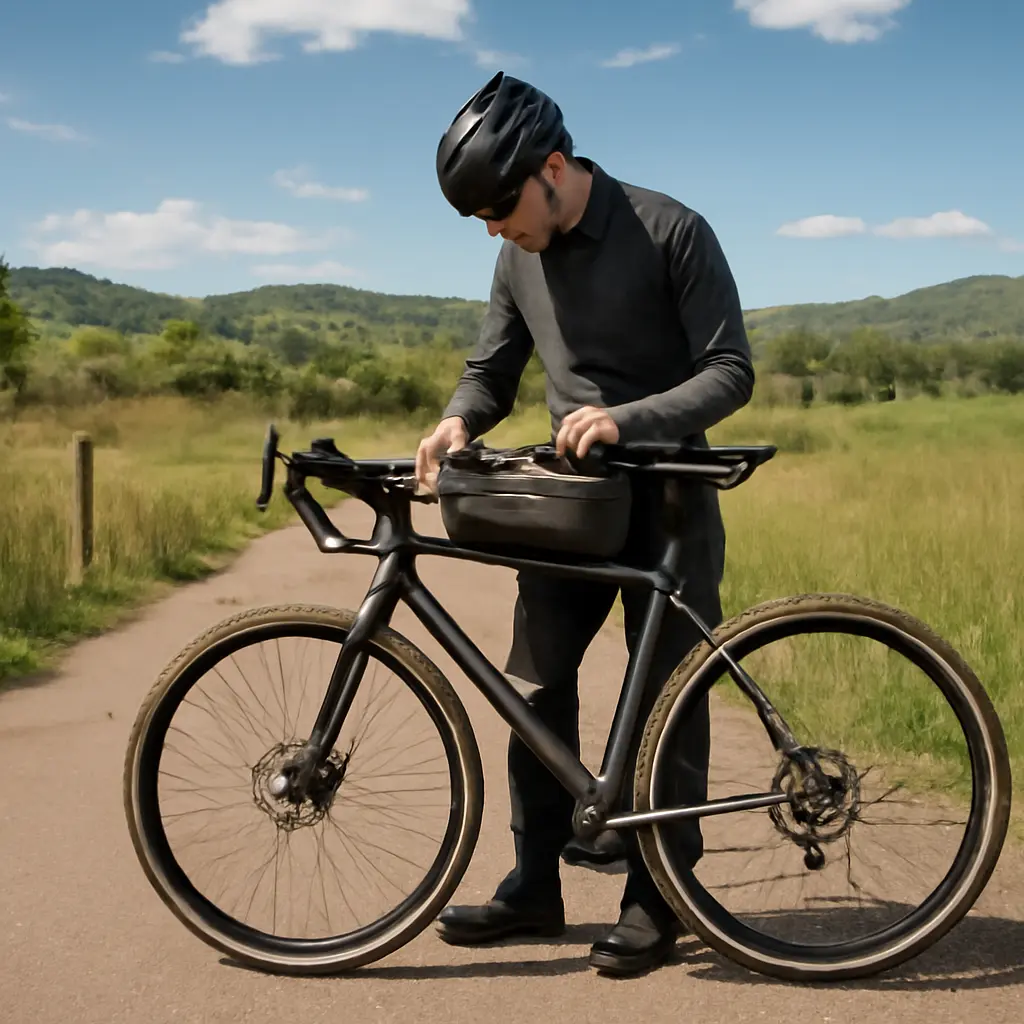
A frame pack is a bag fitted inside a bicycle’s frame triangle, where it uses otherwise unused space to carry gear. Vintage and modern frame packs share that purpose, but differ in materials, attachment systems, fit, and compatibility: older packs commonly use simple straps and rugged canvas, while contemporary designs often add lightweight technical fabrics, adjustable mounting, and models shaped for specific frames. The best choice depends less on age than on your bike’s geometry, intended load, weather exposure, and willingness to modify or maintain the setup.
Frame-pack design reflects vintage and modern bicycle priorities
A frame pack is a soft luggage compartment secured within a bicycle’s main frame triangle. In bikepacking, it is typically paired with handlebar and seat packs to distribute equipment around the bike. The Adventure Cycling Association’s packing guidance emphasizes keeping heavier items low and near the bike’s center; a frame pack is therefore especially useful for dense supplies such as tools, food, and a water bladder.
“Vintage” and “modern” are practical descriptions rather than formal, universally defined product categories. Vintage here refers mainly to older, often traditional bags and attachment methods; modern refers to current designs using contemporary textiles, construction, and fit systems. Neither label guarantees a particular quality. A well-made older pack can outlast a poorly chosen new one, while a modern pack may offer more precise fit and weather protection.
Vintage frame packs: simple construction and adaptable use
Traditional frame bags are often made from canvas, cotton duck, or other sturdy woven fabrics, with leather, metal, or webbing attachment points. Their straightforward construction can make them repairable, and adjustable straps may work across several compatible bicycles. Common examples include triangular touring bags, tool rolls, and small bags designed to sit behind the head tube or above the bottom bracket.
The trade-offs are age and variability. A used bag may have weakened stitching, degraded coatings, stiff or corroded hardware, or a shape that does not match a newer frame. Older fabrics can absorb water unless treated, and a loose strap can rub paint or interfere with cables. Inspect the seams, closures, buckles, and contact points before relying on a vintage pack for a long trip.
Modern frame packs: technical fabrics and dedicated fit
Contemporary frame packs commonly use synthetic textiles such as nylon or polyester, sometimes with laminated or coated panels, water-resistant zippers, and reinforced attachment zones. Designs range from universal strap-on bags to custom or model-specific packs with shaped panels, multiple compartments, and internal dividers. These features can improve organization and reduce movement, but “water-resistant” does not necessarily mean fully waterproof, especially at seams and zipper openings.
Modern packs also reflect the growth of bikepacking. The Adventure Cycling Association describes bikepacking as a style of bicycle travel that combines cycling with lightweight, self-supported camping, while the industry offers bags sized for road, gravel, and mountain-bike frames. A frame-specific pack may provide excellent volume and stability, but it can be less transferable when a rider changes bikes.
Frame-pack compatibility depends on fit, attachment, and load
Compatibility means that a bag fits the frame, stays clear of moving parts, attaches securely, and carries its intended load without creating handling or wear problems. A bag’s stated capacity alone is not enough to establish compatibility. Frame geometry, bottle-cage position, cable routing, suspension movement, and the rider’s leg clearance all affect the usable space inside the triangle.
Frame geometry and usable volume
A frame triangle’s dimensions and shape determine how much bag can fit. Measure the available space on the actual bicycle, rather than relying only on a nominal frame size: two bikes with the same size label can have different top-tube angles, seat-tube positions, and clearances. Leave room around cables, bottle cages, shock hardware, and the rider’s knees. For full-suspension bikes, check the entire range of suspension travel with the bag installed.
This is where older and newer designs often diverge. A flexible vintage bag may accommodate imperfect dimensions, whereas a stiff, close-fitting modern bag can use space efficiently but demands careful measurement. Custom bags can address unusual geometry, though they usually cost more and may be difficult to transfer to another bicycle.
Attachment systems and frame protection
Attachment systems include simple webbing straps, hook-and-loop straps, buckles, and frame-mounted hardware. Straps are widely adaptable, but should be positioned so they do not crush cables or abrade paint. Clean the frame and use suitable protective film or padding where bag and frame contact; grit trapped under a strap can act like sandpaper. Check strap tension periodically, especially after riding rough terrain.
A vintage pack may use fewer adjustment points, while modern bags commonly offer several strap positions to accommodate different tube layouts. Hardware-mounted systems can create a tidy, stable fit when the frame supports them, but they are not universally compatible. Follow the bicycle and bag manufacturers’ instructions before attaching mounts or loading bolts.
Capacity, weight distribution, and handling
A frame pack is most useful for compact, relatively heavy items because it keeps mass near the bicycle’s center. Distribute the contents so the pack does not bulge into the rider’s legs or press against components. Place sharp tools in protective sleeves, keep frequently needed items accessible, and avoid overloading zippers or seams. The bicycle and bag manufacturers’ load limits take priority over any general packing rule.
A larger pack is not automatically better. On a small frame, a full-size bag may eliminate access to bottle cages or limit space for knees; on a large frame, a small bag may leave useful volume unused. A practical test is to fit the pack, load it as intended, and ride briefly over varied surfaces while checking for sway, rubbing, and changes in steering or pedaling comfort.
Vintage versus modern frame packs involve different trade-offs
The comparison is best made by intended use rather than by assuming that newer products are always superior. A vintage pack may suit a classic touring bicycle, a repair-minded owner, or a rider who values straightforward construction. A modern pack may suit frequent bikepacking, wet conditions, demanding fit requirements, or a rider who wants dedicated pockets and a more secure fit.
Durability, weather, and repairability
Durability depends on fabric, stitching, hardware, exposure, and care—not simply the pack’s era. Older heavy canvas can be robust and repairable but may be bulky when wet. Modern coated fabrics can shed rain effectively and reduce weight, yet coatings and laminated materials may be harder to repair with ordinary sewing. The American National Standards Institute and outdoor-industry standards distinguish water resistance from waterproof performance in product testing; in practical use, seams, closures, and wear points remain important weak spots.
For wet-weather riding, use a liner or dry bags for electronics, clothing, and other items that must stay dry, even when the pack is advertised as water-resistant. After a wet trip, empty and dry the bag before storage. On a used vintage pack, check for mildew, brittle material, hidden repairs, and water damage before purchase.
Cost, availability, and sustainability
Vintage packs can be inexpensive when found secondhand, but rare sizes or restoration needs may raise the real cost. Modern packs span entry-level to premium pricing, with custom sizing and advanced materials adding expense. Compare total value by considering fit, expected use, repairs, and whether the pack will transfer to another bike—not just the initial price.
Buying a serviceable secondhand pack can extend its useful life and avoid purchasing new gear, but reuse is beneficial only if the bag is safe and appropriate for the trip. A new pack with replaceable straps or repair support may also offer a long service life. Product-specific repair policies and material disclosures are more useful than broad claims that one generation is inherently more sustainable.
A practical selection checklist
- Measure the frame triangle and check bottle, cable, knee, and suspension clearance.
- Match capacity to the gear you actually carry, keeping dense items centered and secure.
- Inspect used bags for damaged seams, degraded coatings, failing closures, and corroded hardware.
- Choose attachment points that protect the frame and do not pinch hoses or cables.
- For wet trips, protect critical contents independently of the pack’s water-resistance claims.
- Test the loaded setup on a short ride and recheck straps, rubbing, and handling.
Conclusion: choose a frame pack for the bicycle and the ride
Vintage frame packs offer simple, often repairable construction and can complement classic bicycles, while modern frame packs typically provide more specialized fit, contemporary materials, and organized storage. Neither category is automatically the better choice: fit, condition, attachment security, weather protection, and load distribution matter more than the label.
Before buying, measure your frame, consider the conditions and equipment you carry, and inspect the pack carefully. If possible, test it loaded on the bike before committing to a long ride. For further guidance, consult bicycle and bag manufacturers’ fit and loading instructions, and use the Adventure Cycling Association’s bikepacking resources to plan a balanced setup.
Sources: Adventure Cycling Association, Bikepacking and Bicycle Touring Resources, https://www.adventurecycling.org/; REI Co-op, Bikepacking Basics, https://www.rei.com/learn/expert-advice/bikepacking.html; American National Standards Institute, Outdoor Industry Association standards and resources, https://www.outdoorindustry.org/