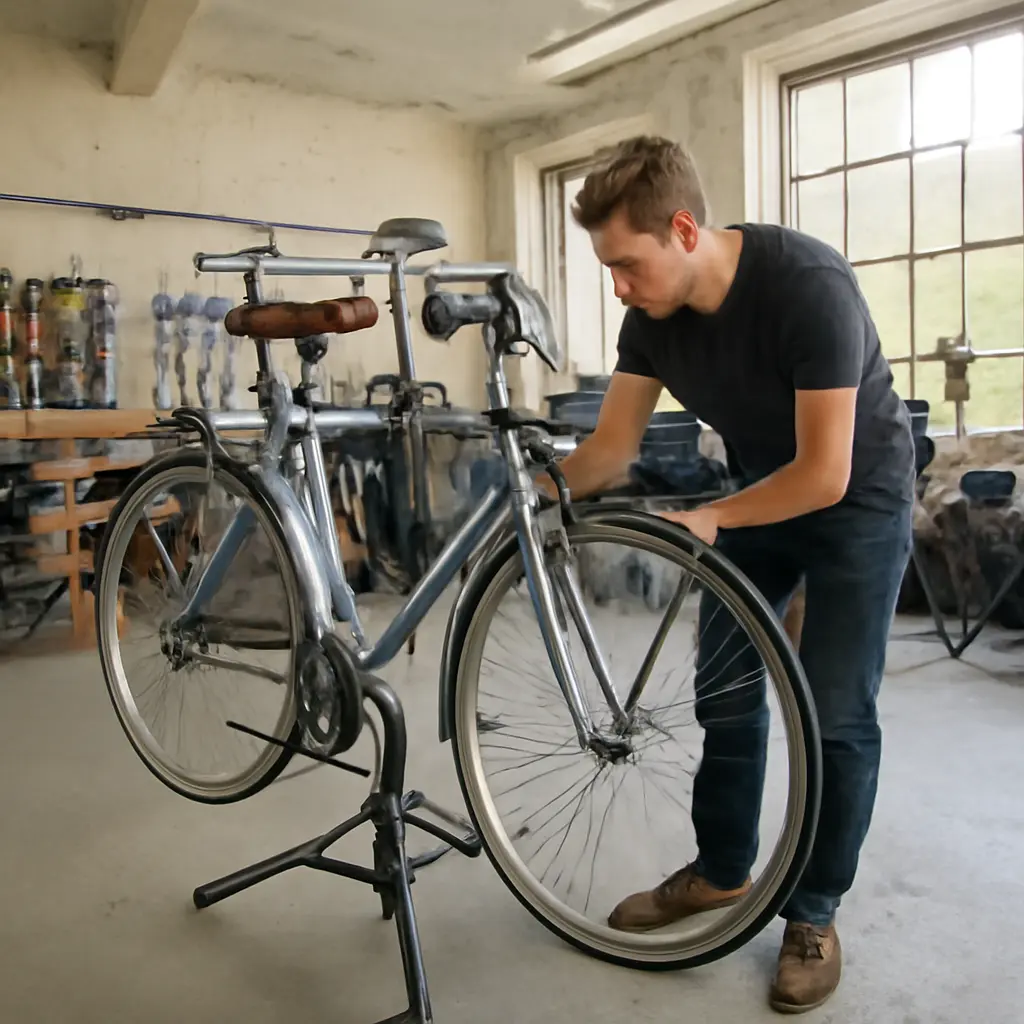
A refurbished bike is a used bicycle that has been inspected, repaired, and prepared for another rider. Its often-overlooked advantage is not simply a lower purchase price: it can make a better-equipped bike accessible for the same budget, while keeping a working bicycle in use instead of immediately replacing it. That value depends on the bike’s condition, the quality of the refurbishment, and the seller’s support. Here’s how to assess those benefits, understand the environmental case without overstating it, and check a refurbished bike before buying.
Refurbished bikes’ biggest advantage is greater value per dollar
There is no single universal definition of “refurbished” that guarantees a particular repair standard. In practice, the term generally describes a pre-owned bicycle that a shop, manufacturer, or specialist seller has inspected and serviced before resale. The important distinction is that refurbishment describes work performed on a used bike—not a guarantee that every part is new or that every seller follows the same checklist.
That uncertainty is also why a trustworthy refurbishment can offer an advantage: buyers may get a more capable bike than they could afford new at the same price, without having to diagnose and repair an unknown used bike themselves. The actual savings vary by model, age, condition, and seller. Compare the complete package—not just the sticker price—including the service performed, warranty, return policy, and likely replacement parts.
More bike for the same budget
A refurbished bike can bring higher-tier components or a better-suited frame within reach. For example, a rider comparing a basic new hybrid with a professionally serviced used model might find that the latter has a more comfortable fit or components better suited to their routes. This is a comparison to make, not an automatic outcome: an older, heavily worn bike may offer less value than an inexpensive new one.
Compare like with like. Check frame size and fit, intended use, gearing, brakes, tire condition, and component wear. A low price is not a bargain if the bike needs an expensive drivetrain replacement or does not fit the rider.
Inspection can reduce the guesswork of buying used
A private-party used bike may be sold as-is, leaving the buyer to judge its mechanical condition. A refurbished bike from a reputable shop can reduce that uncertainty if the seller explains what was inspected, what was repaired, and what remains worn. Ask whether the wheels were checked for damage, the brakes and gears adjusted, and the frame examined for cracks or other structural problems.
“Refurbished” alone is not proof of a thorough service. Request a written inspection or service record and clarify whether the price includes a tune-up after purchase. A warranty can add useful protection, but its length, covered parts, exclusions, and claim process matter more than the word “warranty” on a listing.
Refurbishment quality depends on the bike and the process
The Bicycle Product Suppliers Association and PeopleForBikes track the broader U.S. bicycle industry, but market-wide sales figures do not establish the quality or savings of any individual refurbished bicycle. For a particular purchase, the most useful evidence is the bike’s inspection, parts condition, and seller’s terms. Refurbishment can range from a basic safety check and adjustment to substantial repairs using replacement parts.
Shop-refurbished bicycles
A shop-refurbished bicycle is a used bike inspected and serviced by a bicycle retailer or repair workshop. Shops may be able to explain the work, fit the bike, and provide follow-up service. Practices vary, so ask for an itemized description: which parts were replaced, which were adjusted, and which were judged safe to keep.
Manufacturer- or specialist-refurbished bicycles
Some manufacturers and specialist resellers sell returned, demonstration, or pre-owned bikes after inspection and repair. These programs may specify a grading system or warranty, but policies differ. Read the seller’s condition description carefully and confirm whether the bike comes with its original accessories, battery or charger if applicable, and any stated warranty coverage.
Community and nonprofit refurbishment
Community bike workshops and nonprofit programs often repair donated bicycles for resale or distribution. Besides providing a lower-cost transportation option, these programs may offer repair education or local support. Ask what safety checks are completed and whether maintenance assistance is available after purchase. The program’s mission does not replace the need to inspect the specific bicycle.
The environmental benefit is real, but it depends on reuse
Keeping a serviceable bicycle in circulation can avoid premature replacement and reduce demand for a new product. The European Environment Agency describes circular-economy approaches as strategies that keep products and materials in use and reduce waste. Refurbishment fits that principle when it extends a bike’s useful life rather than merely adding a brief stop before disposal.
However, a precise environmental saving for one refurbished bike cannot be assumed from the word “refurbished.” It depends on factors such as the bike’s remaining life, replacement parts, transport, and whether the purchase displaces a new-bike purchase. No single product-level emissions figure applies to every model and repair history.
Reuse can extend a bicycle’s useful life
A repaired frame and reusable components can continue serving a rider instead of being discarded. The U.S. Environmental Protection Agency’s waste-prevention guidance emphasizes reducing and reusing products as ways to conserve resources and limit waste. For a buyer, choosing a durable bike, maintaining it, and replacing worn parts when appropriate are practical ways to make reuse meaningful.
A sound repair matters more than a sustainability label
A bike that is unsafe, poorly repaired, or unsuitable for its rider may be abandoned quickly, undermining the benefits of reuse. Ask whether the seller checks structural safety and whether damaged parts are replaced rather than cosmetically concealed. A good refurbishment should prioritize safe operation and realistic condition disclosure over a “green” marketing claim.
How to evaluate a refurbished bike before buying
The strongest purchase combines a suitable bike with transparent service history and fair seller terms. The following checks help turn the general promise of refurbishment into evidence you can assess.
Check the frame, fit, and ride
Look for cracks, dents, corrosion, or damage around welds and high-stress areas; ask the seller to explain any marks. Confirm that the frame size and riding position suit you, and take a test ride if possible. Listen for unusual noises and check that steering, braking, and shifting feel controlled. A test ride is useful, but it does not replace a mechanical inspection.
Review wear items and included service
Ask about the condition of tires, brake pads, cables, chain, cassette, and bearings. These parts wear at different rates, and replacement costs can change the real value of a deal. Get a clear answer about what has been replaced, what may need attention soon, and whether the quoted price includes any follow-up adjustments.
Compare protections and total cost
Compare the bike’s price with a similar new model and another used option, then account for likely parts, fitting, delivery, and maintenance. Read the return policy and warranty before paying. If buying an electric bicycle, also confirm battery condition, charger compatibility, replacement availability, and the warranty terms for electrical components.
- Ask for a written list of inspection and repair work.
- Confirm the bike’s size, fit, and intended use.
- Check what the warranty covers and how long it lasts.
- Calculate likely near-term repair costs before comparing prices.
- For an e-bike, ask specifically about battery health and electrical-system support.
Conclusion: the advantage is confidence at a better-fit price
Refurbished bikes’ biggest advantage is the possibility of getting more useful bicycle for your budget while avoiding some of the uncertainty of an uninspected used purchase. Shop, specialist, and community refurbishments differ, so the label itself is not enough. A credible service record, appropriate fit, transparent condition report, and reasonable warranty are the evidence that make the value—and the reuse benefit—real.
Before buying, compare the total cost, ask what work was done, and take a test ride or request an independent inspection. A well-chosen refurbished bike can be a practical, lower-cost way to ride; a poorly documented one can simply shift repair costs to the next owner.
Sources: U.S. Environmental Protection Agency, Sustainable Materials Management: Non-Hazardous Materials and Waste Management Hierarchy, https://www.epa.gov/smm/sustainable-materials-management-non-hazardous-materials-and-waste-management-hierarchy; European Environment Agency, Circular economy, https://www.eea.europa.eu/en/topics/in-depth/circular-economy; PeopleForBikes, Bicycle Retail Sales Data, https://www.peopleforbikes.org/statistics; Bicycle Product Suppliers Association, Bicycle Industry Statistics, https://bicycleproductssuppliers.com/industry-statistics/