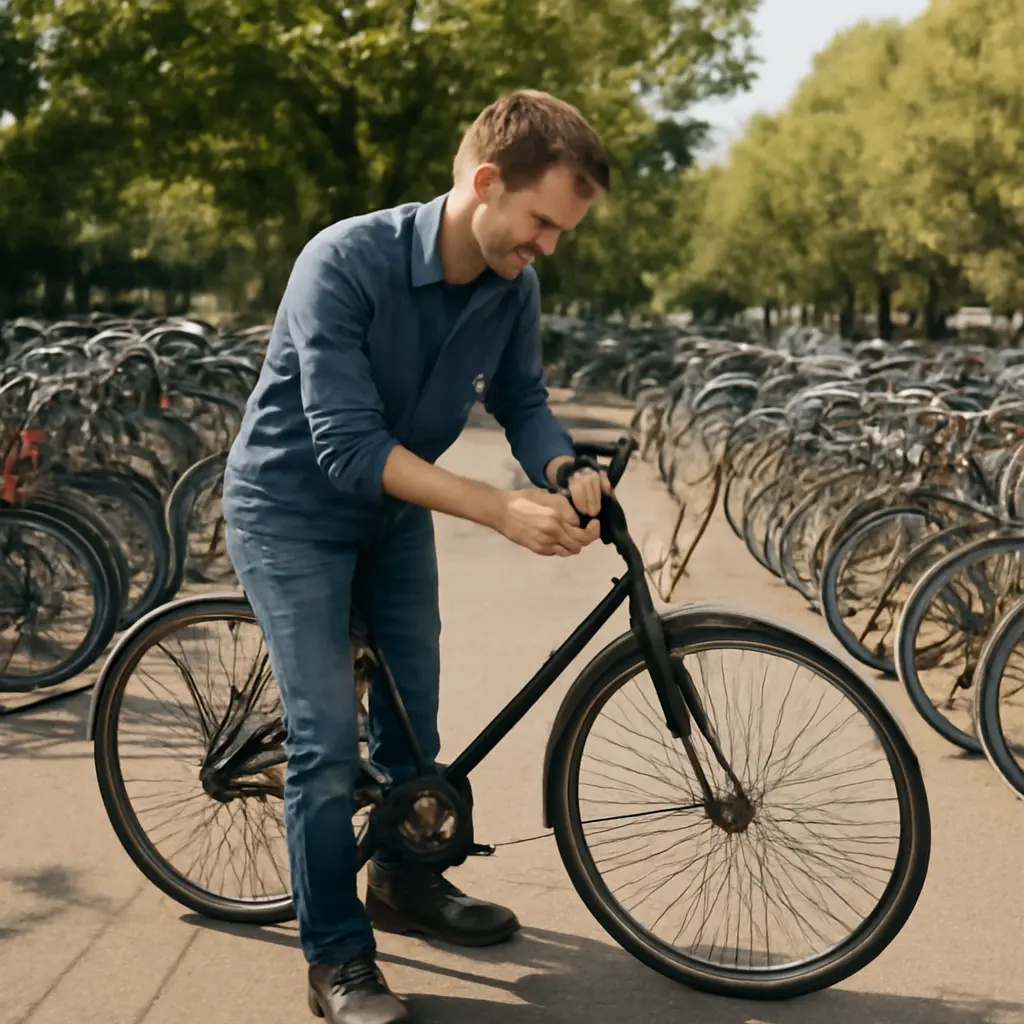
A secondhand bicycle can be a good-value way to get riding, but its condition depends on more than a clean frame or working gears. Before buying, inspect the frame and fork, brakes, wheels and tires, drivetrain, and headset and bearings; these parts affect safety, repair costs, and whether the bike fits your intended use. A careful check matters because wear can be hidden, and a bike that needs several repairs may cost more than its asking price suggests. The U.S. Consumer Product Safety Commission also advises bicycle owners to check brakes, tires, wheels, and other equipment regularly—good practice to apply before a purchase, too.
Inspecting a Secondhand Bike’s Frame and Fork
The frame and fork are the bicycle’s primary structural components: they support the rider and connect the wheels, steering, and drivetrain. There is no single visual test that proves a used frame is safe, so look for damage and ask about its history. A seller’s assurance is useful context, not a substitute for inspection.
Cracks, dents, corrosion, and repairs
Check welds, joints, and high-stress areas—particularly around the head tube, bottom bracket, seat tube, and dropouts—for cracks, deep dents, bubbling paint, or corrosion. On carbon-fiber parts, look for impact marks, unusual soft spots, or damage around joints; some structural damage may not be obvious, so have questionable carbon inspected by a qualified mechanic. Fresh paint or an unexplained patch can conceal a repair. Ask whether the bike has been crashed, stored outdoors, or repaired, and walk away if you find a suspected structural crack.
Fit and component compatibility
A sound bike still needs to fit. Check that the frame size and riding position suit you, and confirm that the seatpost and handlebars can be adjusted safely. Look for an insert or minimum-insertion mark on the seatpost and do not ride with the post extended beyond its limit. If the bike has non-original parts, ask a shop to check compatibility before purchase; mismatched standards can make replacement forks, wheels, or other parts difficult or expensive to source.
Testing a Secondhand Bike’s Brakes, Wheels, and Tires
Brakes and rolling components are immediate safety checks. The CPSC’s bicycle-safety guidance recommends checking brakes and tires before riding. For a used-bike purchase, also inspect wheel alignment, rim or rotor condition, tire age and wear, and whether the wheels turn freely.
Brake pads, levers, cables, and rotors
Brakes convert lever pressure into stopping force. Squeeze each lever: it should feel firm and should not pull all the way to the handlebar. Check that the pads contact the braking surface correctly and have usable material remaining. On rim brakes, inspect the rim’s braking track for deep grooves or a concave shape; on disc brakes, look for contamination, scoring, and a rotor that is visibly bent. Frayed cables, sluggish hydraulic levers, or fluid leaks need attention. Test the brakes at walking speed in a safe, open area before considering a normal ride.
Wheel true, bearings, and tire condition
Lift each wheel and spin it. It should rotate without major side-to-side wobble, rubbing, or grinding. Check spokes for looseness or breakage and examine the rim for dents or cracks. Hold the rim and move it sideways; noticeable play may indicate loose or worn hub bearings. Inspect tires for cracks, bulges, exposed casing, embedded debris, and worn tread. A tire can look inflated yet be aged or damaged, so include likely tire replacement in your cost estimate.
Evaluating a Secondhand Bike’s Drivetrain and Bearings
The drivetrain transfers pedaling force to the rear wheel. Its condition affects shifting and ride quality, while worn parts can add up financially. A brief test ride and close visual check can reveal problems, but a mechanic’s inspection is prudent when wear is uncertain.
Chain, cassette, chainrings, and shifting
The chain, cassette, and chainrings work together, and wear in one can accelerate wear in the others. Check the chain for rust, stiff links, or excessive slack; a chain-wear gauge gives a more reliable assessment than appearance alone. Look for hooked or uneven teeth on the cassette and chainrings. During a test ride, shift through the gears under light pedaling: the chain should move cleanly without skipping, grinding, or repeatedly falling off. Poor shifting may be a simple adjustment, but it can also signal worn parts or a bent derailleur.
Headset, bottom bracket, and pedal play
Bearings allow the steering and crank assembly to turn smoothly. To check the headset, hold the front brake and rock the bike gently forward and back; a knock near the head tube may indicate play. Lift the front wheel and turn the handlebars: steering should feel smooth, not notchy or stiff. Rotate the cranks and check for grinding or side-to-side movement at the bottom bracket. Worn bearings are often repairable, but the labor and parts vary by bicycle, so ask a shop for an estimate before agreeing on a price.
Estimating Repair Costs and Verifying a Used Bike
A purchase decision should account for both condition and provenance. The asking price is only one part of the total cost: add the price of necessary repairs, fitting, and any safety equipment. A bicycle shop can identify faults that are difficult to judge without tools and help determine whether a repair is worthwhile.
Use a mechanic’s inspection when the stakes are unclear
Consider a pre-purchase inspection if the bike has suspected frame damage, carbon components, hydraulic brake issues, unusual noises, or several worn parts. Ask the shop to distinguish urgent safety repairs from optional maintenance and provide an estimate. For example, a bike with worn tires, a stretched chain, and weak brakes may appear inexpensive but require several immediate fixes. Compare the expected total with the price of a similar bike in ride-ready condition.
Confirm ownership and check for recalls
Ask for the bike’s make, model, approximate year, and any available purchase or service records. Check the manufacturer’s recall information and the CPSC recall database for relevant safety notices. Record the serial number and follow local guidance for checking whether a bike has been reported stolen; do not buy if the number appears altered or the seller cannot reasonably explain ownership. A receipt identifying the bicycle and sale date can help document the transaction.
Conclusion: Make the Secondhand Bike Check Before You Buy
Start with the frame and fork, then test the brakes, wheels, and tires, and assess drivetrain and bearing wear. Verify that the bike fits, check its history and recall status, and include repairs in the real purchase price. If structural damage or mechanical condition is uncertain, pause and ask a qualified bicycle mechanic to inspect it. A careful check before payment is a practical way to avoid preventable safety risks and unexpected costs.
Sources: U.S. Consumer Product Safety Commission, Bicycle Safety, https://www.cpsc.gov/Safety-Education/Safety-Guides/Sports-Fitness-and-Recreation/Bicycles; U.S. Consumer Product Safety Commission, Recalls, https://www.cpsc.gov/Recalls; Park Tool, Bicycle Maintenance and Repair Help, https://www.parktool.com/blog/repair-help.