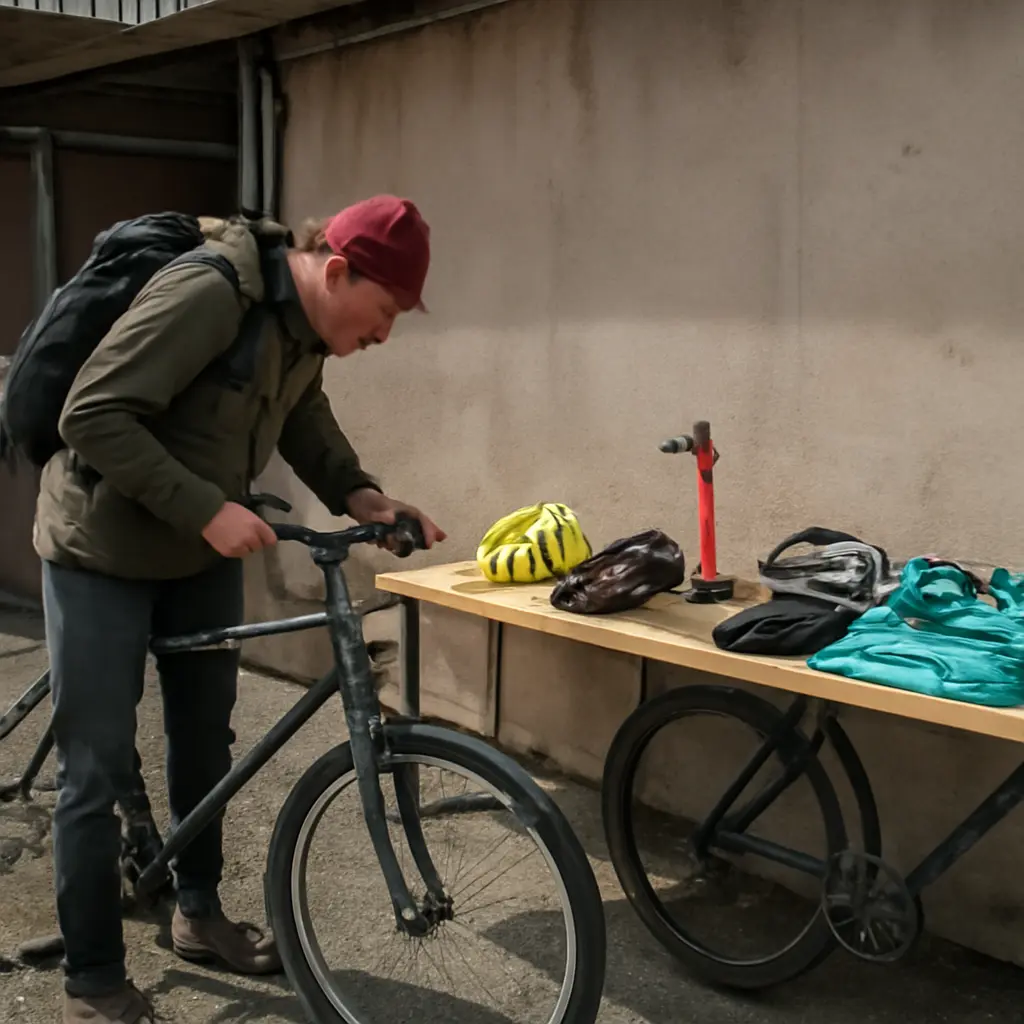
Top riders stretch a riding budget by treating trades as a way to recover value from gear they no longer need and redirect it toward equipment that better fits their current goals. In equestrian sports, this can mean trading a saddle, bridle, or other tack through a reputable tack shop or directly with another rider; in cycling, it may mean selling or exchanging a bike and components. The best strategy is to compare realistic resale value with trade-in offers, account for condition and fit, and verify safety before making a deal. This guide explains how trade value works, which items tend to trade well, how to manage risk, and how a simple budget comparison can help riders make more from every purchase.
Strategic Trades and Rider Budget Stretching
A strategic trade is an exchange planned to improve a rider’s equipment or cash position while reducing the cost of the next purchase. It is not simply swapping one item for another: the rider considers market value, condition, fit, transaction costs, and whether the replacement is genuinely useful. Because “rider” can refer to equestrian and cycling athletes, the same principles apply across both sports, though safety checks and product-specific resale markets differ.
There is no single reliable statistic for how much riders save through private equipment trades; prices vary by sport, brand, location, season, and condition. A practical measure is net upgrade cost: the replacement item’s price minus the cash or credit received for the old item, plus any shipping, repair, fitting, or platform fees. A trade that looks attractive at face value may be poor value once those costs are included.
How Strategic Trades Improve Rider Budgets
A trade improves a budget when it converts unused equipment into purchasing power without creating a new mismatch or safety risk. The Consumer Financial Protection Bureau’s budgeting guidance encourages people to track income, spending, and financial goals; riders can apply that principle by setting a maximum upgrade cost before negotiating. The key characteristics of a sound trade are a realistic valuation, clear condition disclosure, suitability for the rider, and a documented agreement.
Trade-in credit through shops
A shop trade-in exchanges eligible used gear for store credit or, less commonly, cash. Its main benefit is convenience: the shop may inspect the item, explain its condition grade, and apply credit directly to a replacement. The trade-off is that the offered credit may be lower than a private-sale price because the business must account for inspection, storage, possible refurbishment, and resale risk. Ask whether the quote is final, how long it remains valid, and whether credit can be used on sale items.
Direct swaps between riders
A direct swap is an item-for-item exchange, sometimes with one rider adding cash to balance the difference. It can avoid platform fees and may suit riders who already know the local community. However, both parties need to agree on comparable condition and value. Record model names, serial numbers where appropriate, defects, and any cash adjustment in writing, and inspect the equipment in person whenever practical.
Selling first and buying second
Selling an item before shopping for its replacement is a “sell-first” strategy. It gives the rider a clearer spending limit and allows comparison across multiple buyers, although it can take longer than accepting immediate store credit. Calculate the expected net proceeds after marketplace fees, postage, packaging, and repair costs. The Federal Trade Commission advises consumers to understand transaction terms and watch for payment or shipping scams when buying and selling online.
Which Rider Equipment Trades Best
Tradeability depends on demand, durability, condition, and how easily another rider can judge fit. Items with identifiable models and visible condition are generally easier to compare than customized or heavily worn equipment. A market price should be based on recent comparable listings and completed sales where available—not the original purchase price or an optimistic asking price.
Equestrian tack and apparel
Saddles, bridles, blankets, boots, and show apparel are common candidates for resale or trade. Saddle fit is particularly important: a saddle that does not suit a horse’s back or the rider’s position may have little practical value to the next owner, even if it is in good cosmetic condition. The British Equestrian Trade Association’s consumer-facing saddle guidance emphasizes appropriate fitting and professional advice; riders should share measurements, make, model, age, repairs, and fit history rather than relying on photographs alone. Check leather for cracking, stitching failure, and structural damage, and disclose every known issue.
Bicycles and cycling components
Bikes and components can retain useful value when their specifications, maintenance history, and condition are documented. A seller should identify the frame size, model year, drivetrain, wheel dimensions, upgrades, and service needs. The U.S. Consumer Product Safety Commission recommends that consumers check for product recalls; that step is especially relevant when buying used equipment. Before a swap, inspect the frame and fork for damage, verify that brakes and steering work correctly, and have a qualified mechanic assess uncertain structural or mechanical issues.
Protective equipment and fit-sensitive items
Helmets and other protective gear deserve stricter rules than ordinary apparel because hidden damage or an incorrect fit can compromise protection. The Snell Memorial Foundation explains that helmets are designed and tested to meet specific safety standards, while manufacturers provide model-specific care and replacement instructions. Riders should check the relevant manufacturer’s guidance and applicable safety standard, and should not trade a helmet with unknown crash history, visible damage, or missing certification labels. For equestrian body protectors and cycling helmets alike, a low price is not a substitute for correct fit and verified condition.
How to Value and Negotiate a Trade
Valuation is the bridge between choosing an item to trade and deciding whether the replacement is worth the cost. Start with comparable items of the same model, size, age, and condition. Then adjust for wear, repairs, missing parts, warranty status, and local demand. A shop’s offer may be lower than a private-sale estimate, but it can still be worthwhile if convenience, inspection, or immediate credit matters more to the rider.
Use net upgrade cost, not headline value
Net upgrade cost is the amount the rider must pay after applying trade proceeds or credit, plus transaction and preparation expenses. For example, if a replacement costs $900, a shop offers $300 credit, and fitting and transport cost $75, the net cost is $675. If a private sale might bring $400 but costs $40 in fees and shipping, the effective net cost is $540—assuming the item sells at that price and the rider can wait. These figures are illustrative, not market averages.
Document condition and transaction terms
Clear documentation protects both sides and helps avoid disputes. Photograph the item from multiple angles, note serial or model identifiers, list defects, and agree on who pays for delivery. For in-person exchanges, meet in a safe public location when appropriate, inspect before handing over payment or goods, and use a payment method with understandable protections. Keep messages and receipts, and avoid pressure to move a transaction off a platform or accept an unusual overpayment arrangement.
A Practical Trade Plan for Riders
A simple process can make trades more disciplined and repeatable. Riders should first define the purpose of the upgrade—better fit, a different discipline, improved performance, or replacement of worn gear—then set a spending ceiling. The following checklist keeps value and safety in view:
- Identify equipment that is genuinely unused or no longer suitable.
- Research comparable listings and, where possible, completed sales.
- Inspect condition and check recalls, safety guidance, and fit requirements.
- Compare shop credit, direct swap, and private-sale proceeds after all costs.
- Agree on price, defects, delivery, and payment terms in writing.
- Keep the difference in a maintenance or emergency reserve instead of automatically spending it.
The result can be shown in a simple comparison chart: list each route—shop trade-in, direct swap, and sell first—against estimated proceeds, fees, time, convenience, and risk. This makes clear that the highest quoted value is not always the best overall deal.
Conclusion: Trade Strategically, Ride Within Budget
Strategic trades stretch a rider’s budget by turning surplus or mismatched equipment into value for a more useful replacement. Shop trade-ins offer convenience, direct swaps can work well within trusted communities, and selling first may produce stronger proceeds when the rider can manage the extra time and effort. Across equestrian and cycling gear, a realistic valuation, transparent condition report, careful fit assessment, and safety checks matter more than the original price tag.
Before the next upgrade, compare net costs and decide what the equipment must accomplish. Check manufacturer guidance and relevant recall information, seek professional fitting or inspection where needed, and put any savings toward maintenance or future riding costs. A thoughtful trade is not merely a bargain—it is a way to make equipment choices more deliberate and sustainable.
Sources: Consumer Financial Protection Bureau, “Creating a budget,” https://www.consumerfinance.gov/consumer-tools/budgeting/; Federal Trade Commission, “Online Shopping,” https://consumer.ftc.gov/articles/online-shopping; U.S. Consumer Product Safety Commission, “Recalls,” https://www.cpsc.gov/Recalls; Snell Memorial Foundation, “Helmet FAQs,” https://smf.org/helmetfaq; British Equestrian Trade Association, “Saddle fitting,” https://beta-uk.org/