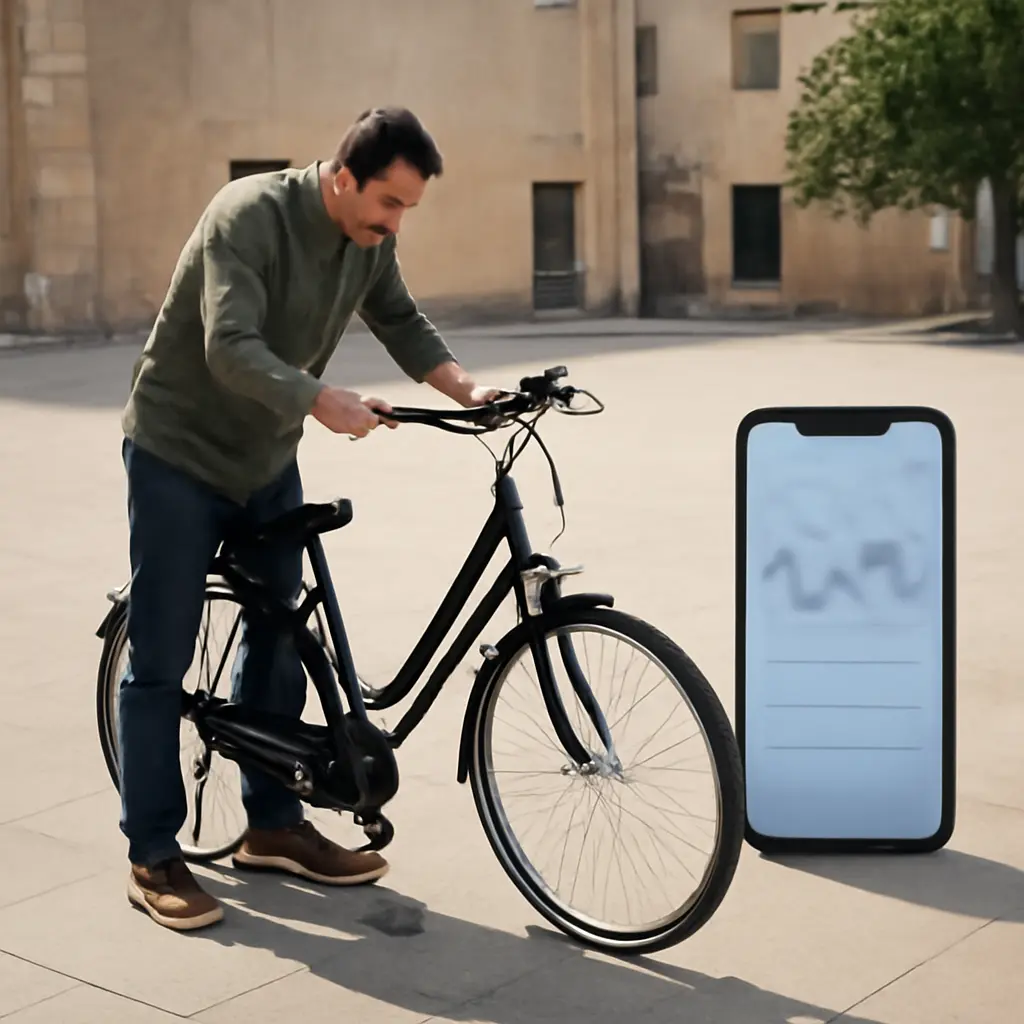
A bike listing is the first impression a potential buyer gets of a bicycle offered for sale online. Before anyone clicks, its preview—usually a title, price, location, and thumbnail photo—has to signal that the bike is relevant and worth investigating. No single headline or photo guarantees a sale, but vague titles, implausible prices, weak images, missing details, poor location information, and signs of risk can make shoppers scroll past. The fixes are practical: identify the bike clearly, price it credibly, show it well, supply useful facts, and make the transaction feel safe.
Listing quality determines whether a bike earns a click
A listing’s click-through rate is the share of people who see it and then open it. It depends on the marketplace, audience, competition, and how the platform displays results, so there is no universal conversion figure for bicycle listings. Still, preview quality matters: Google’s search guidance recommends descriptive, concise titles, while Nielsen Norman Group’s research on web usability has repeatedly found that people scan pages rather than read every word. For a bike seller, that means the most useful identifying information should be visible quickly, not buried in a long description.
The following seven problems commonly weaken that first impression. Some directly reduce visibility; others erode trust or make a shopper unable to judge fit and value. Together, they explain why a listing can be overlooked even when the bicycle itself is in good condition.
Seven bike-listing attributes shape the first impression
1. A vague or overloaded title
A title is the short label that identifies the item in search results and marketplace feeds. “Great bike!” or “Must sell today!!!” says little about what is for sale, while a string of keywords can look spammy and make the important facts harder to spot. Google Search Central advises that titles be descriptive and concise; the same principle helps buyers comparing many listings.
Lead with the details a shopper is likely to search: brand, model, bike type, wheel size or frame size, and model year when known. For example, “Trek FX 3 hybrid, size M, 2022” gives more useful context than “Awesome Trek bike.” Do not guess at a model year or component specification: an accurate, modest title is more credible than a highly specific but incorrect one.
2. A price that looks implausible
Price is the amount requested and a major cue buyers use to assess whether a listing is worth opening. A figure far above comparable local listings can make the bike seem poor value; a dramatically low price can raise concerns about hidden damage, theft, or a scam. The Federal Trade Commission warns consumers to be cautious when an offer appears unusually attractive, particularly when a seller presses for unusual payment arrangements.
Compare the same model and generation where possible, then account for size, age, condition, upgrades, and local demand. State whether the price is firm or negotiable, and explain meaningful upgrades without treating every accessory as a dollar-for-dollar increase in resale value. If the bike needs work, disclose that and price accordingly.
3. A weak, dark, or misleading thumbnail
The thumbnail is the small preview image shown before a shopper opens the listing. A cluttered garage, cropped wheel, heavy shadow, or distant bicycle makes it hard to identify the item at a glance. A clear, well-lit side view against a simple background helps buyers see the bicycle’s overall type and condition. Additional photos should show both sides, drivetrain, tires, brakes, cockpit, serial number area where appropriate, and any damage or wear.
Photographs should document the actual bicycle, not imply a condition it does not have. Avoid filters that change color or hide scratches. The Federal Trade Commission’s guidance on online shopping emphasizes checking product details and seller representations; honest, specific images help a buyer evaluate the claim rather than relying on a polished but incomplete preview.
4. Missing fit and specification details
A bicycle’s fit and specifications determine whether it is suitable for a particular rider and use. A listing that omits frame size, wheel size, bike category, or key compatibility details forces shoppers to ask basic questions before deciding whether to click or message. The League of American Bicyclists describes bicycle fit as an important part of comfort and control; frame labels alone may not settle fit because geometry and rider proportions vary.
Include the frame size and how it was measured or labeled, the wheel size, and the bike’s intended style—such as road, mountain, hybrid, cargo, or children’s. Add known drivetrain, brake, suspension, and accessory details when relevant. If you do not know a specification, say so instead of presenting a guess as fact.
5. No clear account of condition or maintenance
Condition describes the bicycle’s current cosmetic and mechanical state. “Like new” is not a substitute for evidence: buyers need to know about worn tires, shifting issues, corrosion, crash damage, recent service, and parts that may need replacement. The Consumer Product Safety Commission advises consumers to check bicycles for hazards and ensure important parts are in working order, underscoring why safety-related condition claims should be specific.
Use concrete statements such as “rear tire replaced this spring,” “front brake needs adjustment,” or “paint scratches on the top tube,” and support them with close-up photos. Do not claim that a bicycle is safe or fully serviced unless you have a reasonable basis for saying so. Clear disclosure may narrow the audience, but it helps prevent mismatched expectations and wasted visits.
6. Unclear location and transaction arrangements
Location information tells shoppers whether the bicycle is realistically accessible and how a handoff might work. A listing with no city, broad region, or delivery terms may be skipped by buyers who cannot tell whether pickup is practical. Give an accurate general location, such as a neighborhood or nearby town, while avoiding the publication of a private home address in a public post.
State whether pickup, shipping, or delivery is available and how payment will be handled. The Federal Trade Commission recommends using caution with payment requests and avoiding arrangements that involve overpayments or suspicious third-party intermediaries. Keep early communication on the marketplace when possible, and agree on a safe, public meeting place for an in-person exchange.
7. Signs of a scam, stolen bike, or unreliable seller
Trust signals are details that help a buyer believe the bicycle and seller are legitimate. A stock photo, inconsistent description, refusal to answer basic questions, pressure to pay immediately, or a price that seems too good to be true can discourage a click—or prompt a shopper to report the listing. The National Bike Registry and local law-enforcement agencies encourage recording bicycle serial numbers, which can help establish ownership and support recovery if a bike is stolen.
Use original photos, describe how and when the bike was acquired when relevant, and provide the serial number privately to a serious buyer or during a safe inspection rather than broadcasting sensitive details indiscriminately. A bill of sale and a straightforward payment process can also reassure both parties. Never claim a clean ownership history unless you can support it.
A quick pre-publication check can prevent a scroll-past
Before publishing, review the listing as if you were seeing it in a crowded search feed. The title and first photo should identify the bicycle; the price should make sense beside comparable options; and the description should answer the basic questions of fit, condition, location, and transaction. This checklist does not guarantee clicks, but it removes avoidable uncertainty.
- Does the title name the brand, model, type, and known size?
- Is the thumbnail bright, clear, and an honest photo of the actual bike?
- Can a shopper understand the price and what is included?
- Are fit, specifications, wear, repairs, and known faults disclosed?
- Is the general location and pickup or delivery plan clear?
- Does the listing avoid suspicious payment requests and unsupported claims?
Conclusion: make the value visible before the click
The seven listing problems—weak titles, implausible prices, poor photos, missing specifications, vague condition, unclear logistics, and low-trust signals—share one cause: they make a shopper work too hard to understand the offer or feel confident about it. A precise title, credible price, honest images, useful fit and maintenance details, and safe transaction plan make the bicycle easier to evaluate at a glance.
Before posting, compare similar local bikes, take fresh photos, and check every factual claim. Then ask someone unfamiliar with the bike to scan the preview and identify what is being sold, who it fits, and what questions remain. That simple review can reveal the details most likely to cost a listing its first click.
Sources: Google Search Central, Influence Your Title Links in Search Results, https://developers.google.com/search/docs/appearance/title-link; Nielsen Norman Group, How Users Read on the Web, https://www.nngroup.com/articles/how-users-read-on-the-web/; Federal Trade Commission, Online Shopping, https://consumer.ftc.gov/articles/online-shopping; League of American Bicyclists, Smart Cycling Tips, https://bikeleague.org/ridesmart/; U.S. Consumer Product Safety Commission, Bicycle Safety, https://www.cpsc.gov/Safety-Education/Safety-Guides/Sports-Fitness-and-Recreation/Bicycles; National Bike Registry, Bicycle Registration, https://www.nationalbikeregistry.com/