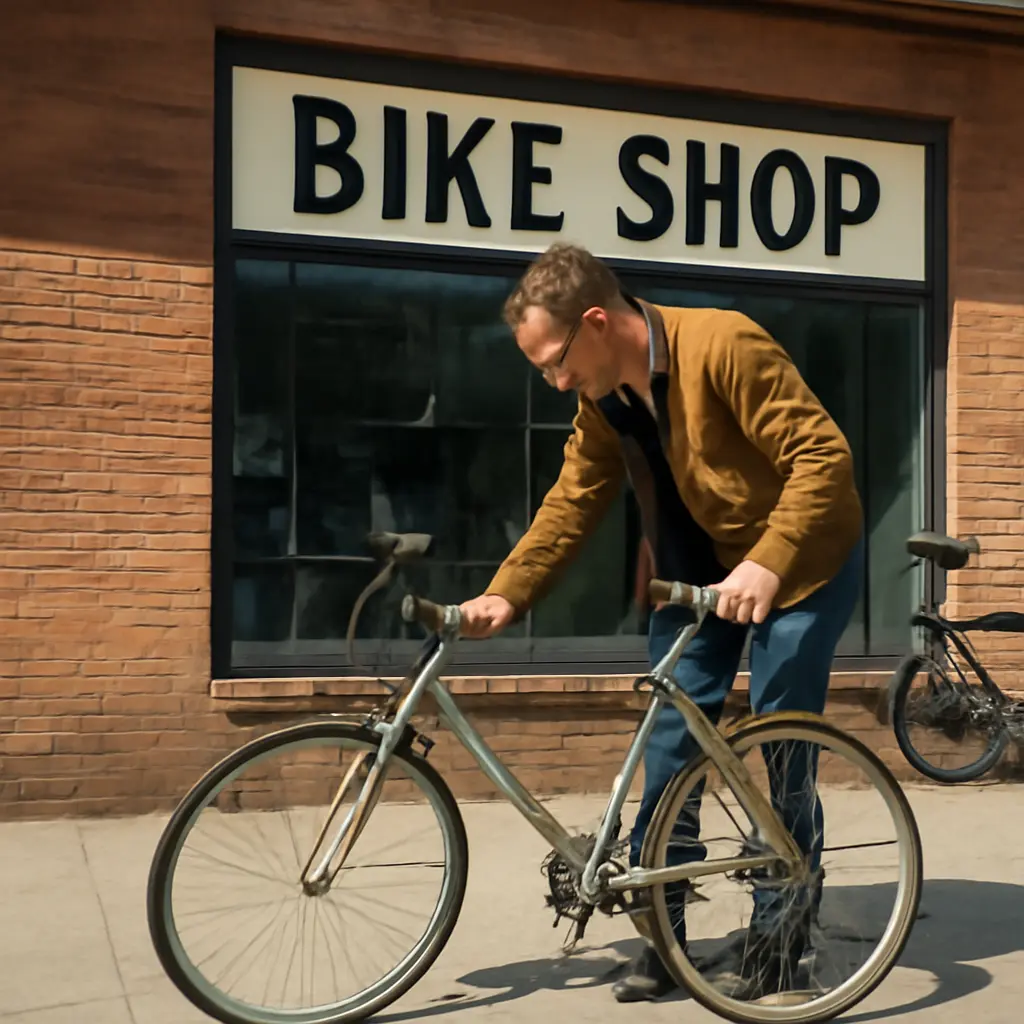
Buying a used bike online can offer broader selection and easier price comparison, while a local shop can provide an in-person inspection, fitting, and support after the sale. The right choice depends on the bike’s condition, your ability to assess it, the protections available if something goes wrong, and the total cost after shipping or repairs. Used-bike prices and availability vary by location and season, so compare specific bikes rather than assuming either channel is always cheaper. This guide explains the trade-offs, checks to make before paying, and how to choose a safer buying route.
Online and Local Used-Bike Buying: How the Options Differ
A used bike is a previously owned bicycle sold again by its owner, a retailer, or a marketplace. Buying online means researching and arranging a purchase through a website or app; buying locally generally means viewing the bike in person, often at a shop or through a nearby private seller. The distinction matters because bicycle condition is highly dependent on use and maintenance: two bikes of the same model and age may need very different repairs.
Online listings can connect buyers to more brands, sizes, and price points, including specialist models that local stores may not stock. Local shops offer a chance to inspect and test-ride a bike and may provide setup, service, or a warranty. Neither route guarantees a good deal. A low advertised price can be offset by shipping, assembly, replacement parts, or a poor fit; a shop’s higher price may include meaningful preparation and support.
What “used-bike value” includes
The value of a used bike is not just its asking price. It also includes fit, mechanical condition, included accessories, likely maintenance, delivery or travel costs, and the seller’s return or warranty terms. The League of American Bicyclists emphasizes that a properly fitted bicycle contributes to comfort and control, making fit a practical part of value rather than a cosmetic preference.
Why market conditions matter
Bicycle prices fluctuate with season, local demand, model availability, and the condition of the specific bike. The National Bicycle Dealers Association’s industry reporting tracks changes in bicycle retail and sales conditions, but broad market figures cannot establish whether an individual listing is fairly priced. Compare similar models, frame sizes, components, and condition in your region, and treat advertised prices as asking prices—not proof of what a bike is worth.
Online Used-Bike Buying: Selection, Convenience, and Distance Risk
Online used-bike buying covers several types of transactions: peer-to-peer marketplace purchases, specialist resale platforms, and used inventory sold by established retailers. Their protections differ. A platform may host a listing without inspecting the bike, while a specialist retailer may inspect, tune, or grade it before sale. Read the seller’s terms carefully; the word “marketplace” alone does not tell you who is responsible if the bike arrives damaged or differs from its description.
Advantages of buying online
Online listings make it easier to search across many sellers and compare models, frame sizes, and components. That wider reach can be particularly useful for uncommon sizes, older models, or specialist bikes such as cargo, touring, and performance bicycles. Listings may also provide time to review specifications and ask questions before committing.
Convenience is another advantage: buyers can search without visiting multiple shops. However, photos and descriptions are evidence supplied by the seller, not an independent mechanical inspection. Ask for clear images of the frame, fork, drivetrain, wheels, brakes, serial number, and any damaged areas, along with details about service history and known faults.
Risks, shipping, and buyer protection
A remote buyer may not be able to test the bike or confirm that it fits before payment. Shipping can add cost and expose the bicycle to handling damage; a delivered bike may also need assembly or professional setup. Before buying, establish who pays for shipping, what happens if the bike arrives damaged, whether returns are accepted, and how long a dispute must be reported.
The Federal Trade Commission advises consumers to understand marketplace and payment protections before completing online transactions. Use a payment method with a documented dispute process, keep the listing and seller communications, and avoid sellers who pressure you to pay through irreversible methods or move the conversation off-platform. Protection is not automatic, and policies vary by site and transaction.
How to evaluate an online listing
Request the exact frame size and model year, a close-up of the frame and fork, wheel and drivetrain condition, and an explanation of any repairs. Ask whether the bike has been crashed, stored outdoors, or modified. A vague description, inconsistent photos, missing serial number, or refusal to answer reasonable questions is a reason to pause. For a higher-value purchase, arrange an independent inspection when feasible or choose a seller with clear inspection and return procedures.
Local-Shop Used-Bike Buying: Inspection, Fit, and Follow-Up
A local shop may sell trade-ins, refurbished bicycles, or consignment bikes. Its advantage is proximity: buyers can inspect the bicycle, test-ride it, and speak with staff before purchase. Shop practices vary, so ask exactly what was checked, whether parts were replaced, and what support is included rather than assuming every used bike has received the same work.
In-person inspection and test rides
A test ride can reveal issues that photographs cannot, including uncomfortable reach, awkward handling, brake problems, or drivetrain skipping under load. Before riding, check that the wheels spin without obvious wobble, brakes engage firmly, and the frame and fork show no visible cracks or dents. A shop mechanic can assess less obvious wear, including bearings, chain stretch, and damaged components.
The U.S. Consumer Product Safety Commission’s bicycle safety guidance underscores the importance of functioning brakes and properly maintained equipment. A quick ride is useful but does not replace a mechanical inspection, especially for a bike that has been heavily used or stored poorly.
Fit, setup, and service support
A local shop can help verify frame size and adjust saddle height, handlebar position, and controls. It may also offer a tune-up, service discount, or limited warranty, but these benefits should be confirmed in writing. Ask which parts are covered, for how long, and whether labor is included. For a private local sale, do not assume shop-style support is part of the transaction.
Price and inventory limitations
A shop’s price may reflect inspection, refurbishment, staff time, and after-sale service, so comparing it directly with an uninspected online listing can be misleading. On the other hand, local inventory may be limited by shop size, location, and the season. Ask for an itemized explanation of the price and compare the bike’s total expected cost—including any immediate repairs—with alternatives.
Used-Bike Safety Checks: Condition, Ownership, and Total Cost
Whether buying online or locally, assess three things before paying: mechanical condition, legitimate ownership, and complete cost. A bicycle can look clean but still need expensive work, and a very attractive price does not establish that the seller has the right to sell it.
Mechanical condition checklist
- Inspect the frame and fork for cracks, dents, corrosion, or signs of poor repairs.
- Check that wheels are reasonably true and tires are not cracked or badly worn.
- Test both brakes and check for worn pads, damaged cables, or hydraulic leaks.
- Shift through the gears and listen for skipping, grinding, or unusual drivetrain noise.
- Check for play or roughness in the headset, hubs, and bottom bracket.
- Ask which components have been replaced and whether service records are available.
This checklist is a screening tool, not a substitute for a qualified mechanic’s assessment. If the frame or fork may be damaged, do not ride the bike until it has been inspected.
Ownership and theft checks
Ask for the bicycle’s serial number and a receipt or other proof of ownership where available. The Bike Index and Project 529 operate bicycle registration and recovery services; checking their resources can help identify a bike reported stolen, though no single database contains every stolen bicycle. If the serial number has been removed or the seller refuses to provide it, walk away and consider contacting local authorities or a bicycle registry for guidance.
Calculate the total cost of ownership
Compare the asking price with the likely out-the-door cost. Include shipping or travel, assembly, a mechanic’s inspection, immediate replacement parts, a lock, and any required accessories. For instance, a remotely purchased bike with worn tires and a needed tune-up may cost more than a locally inspected bike priced higher at the outset. Get repair estimates before purchase when possible, rather than relying on a seller’s informal estimate.
Choosing Between Online and Local Used Bikes
The best route depends on the buyer’s priorities and experience. A confident mechanic who knows the required size and model may value online selection. A first-time buyer, someone unsure about fit, or a person who needs a reliable bike immediately may benefit more from an in-person test ride and local service access.
- Choose online when selection is the priority, the seller is verifiable, the listing is detailed, and the return and shipping terms are acceptable.
- Choose a local shop when fit help, inspection, setup, or nearby service matters more than finding the lowest advertised price.
- Consider a local private seller when you can inspect and test-ride the bike, verify ownership, and arrange a safe transaction.
- Pause or walk away if the seller avoids questions, demands an unusual payment method, or the bike has unexplained damage or ownership concerns.
A practical approach is to identify the bike type and size you need, compare several similar listings, and then assess condition and total cost. If an online option is compelling, arrange an independent inspection or use a specialist retailer with clearly stated protections. If buying locally, still check the serial number, service terms, and repair needs.
Conclusion: Make the Bike, Not the Buying Channel, the Priority
Online used-bike buying offers reach and convenience, while local shops can offer inspection, fit assistance, and follow-up service. Those advantages are not guarantees: online protection depends on the seller and platform, and shop preparation varies. The strongest decision comes from checking condition and ownership, confirming fit, reviewing return or warranty terms, and calculating the full cost before paying.
Compare specific bikes rather than relying on general claims about which channel is cheaper. Ask questions, document the transaction, and have a qualified mechanic inspect any bicycle with uncertain or potentially safety-critical damage. For further guidance, consult consumer-protection resources, bicycle safety advice, and reputable registration services before you buy.
Sources: League of American Bicyclists, Smart Cycling—Bike Fit, https://bikeleague.org/ridesmart/smart-cycling/; National Bicycle Dealers Association, Bicycle Industry Data and Reports, https://nbda.com/industry-data/; Federal Trade Commission, Online Shopping, https://consumer.ftc.gov/articles/online-shopping; U.S. Consumer Product Safety Commission, Bicycle Safety, https://www.cpsc.gov/Safety-Education/Safety-Guides/Sports-Fitness-and-Recreation/Bicycles; Bike Index, Bike Registration and Recovery, https://bikeindex.org/; Project 529, Bicycle Registration, https://project529.com/