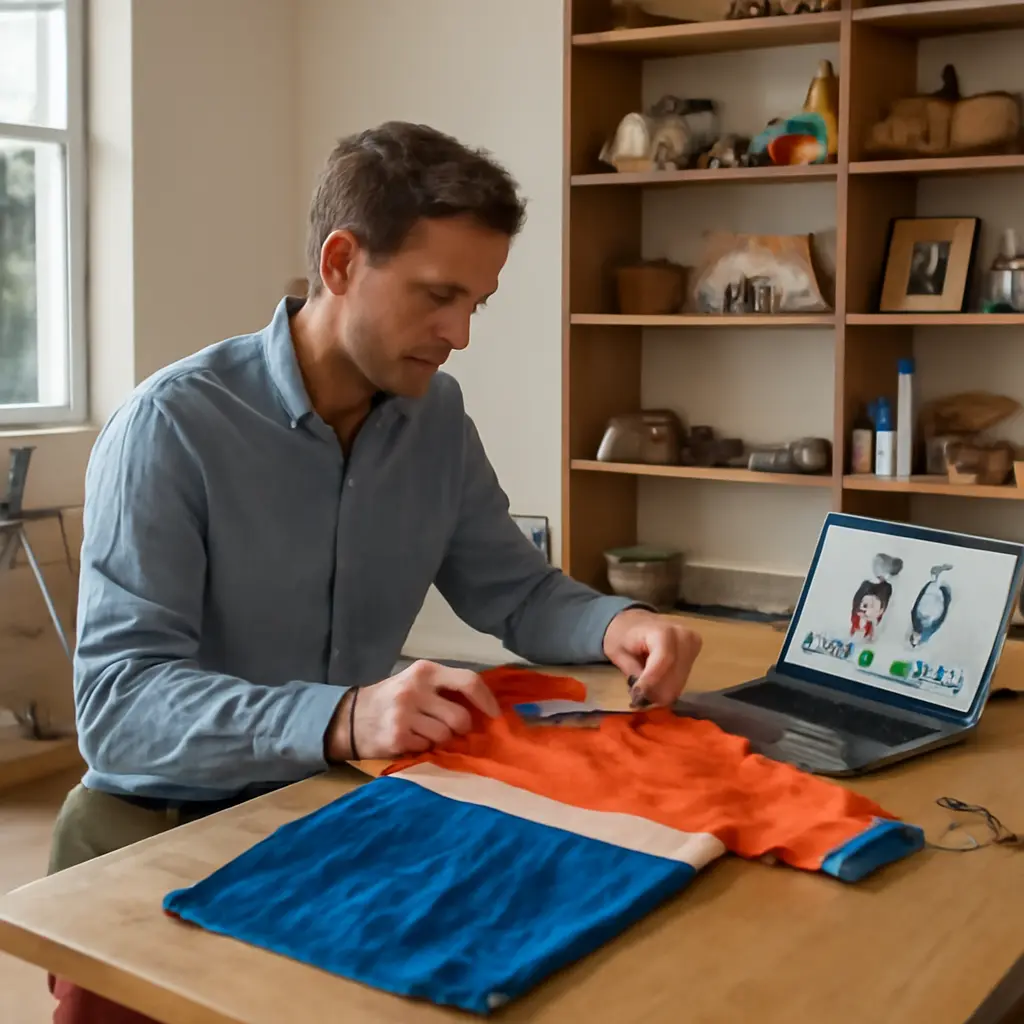
Vintage cycling apparel is clothing and accessories made for cycling in an earlier era, valued today for its design, history, and collectibility. To spot authentic pieces online, examine labels, construction, materials, graphics, and provenance together rather than trusting a “vintage” listing or a single visual detail. The U.S. Federal Trade Commission’s guidance on textile labeling explains why fiber and manufacturer information can help identify a garment, while auction and resale listings show how strongly condition, rarity, and attribution can affect value. This guide covers dating clues, brand and garment verification, condition checks, seller research, and practical steps for buying with confidence.
Vintage cycling apparel authenticity and dating clues
Authenticity is the degree to which an item’s age, maker, materials, design, and history match the claims made about it. For vintage cycling clothing, no single test proves age: a convincing assessment compares several independent clues, including the label, seams, fabric, graphics, hardware, and documented history. The Smithsonian Institution’s object-research approach similarly emphasizes examining an object’s physical features and provenance in context.
Useful categories include original period garments, later reproductions made in a vintage style, modern clothing carrying retro graphics, and contemporary reissues of historic designs. These can all be attractive, but they are not interchangeable in age or collectibility. A seller should identify which category applies and disclose alterations or replacement parts.
Labels and maker identification
A label is a sewn-in or printed identifier that may name a brand, manufacturer, country of origin, fiber content, or care instructions. Compare the label’s typography, layout, stitching, and wording with photographs of confirmed garments from the same maker and period. The Federal Trade Commission notes that most covered textile products must carry labels identifying fiber content, country of origin, and the responsible business; however, requirements and label formats have changed over time, so a label is a clue rather than an age certificate.
Ask for a sharp, straight-on photograph of the full label and its reverse. Look for lettering that appears consistent with the garment’s claimed era, but be cautious of labels that seem newly attached, unusually crisp compared with a heavily worn garment, or inconsistent with the stated country of manufacture. Some older garments may have incomplete or missing labels, so their absence does not automatically prove a fake.
Construction, fabric, and hardware
Construction means how a garment is assembled: seam type, stitching, panel layout, pocket placement, zipper design, and finishing. Compare these details with securely dated examples from the same brand or team. Older wool jerseys, for example, may have a different feel, knit structure, collar, and pocket arrangement from modern synthetic performance tops; yet materials and construction varied widely among makers and decades.
Inspect close-up images of seams, cuffs, collars, and closures. A zipper’s shape or branding can help narrow a date range, but replacement zippers are common and can make that evidence unreliable. Likewise, a modern overlock seam on a garment claimed to be very old should prompt questions, not an instant verdict. Ask whether repairs or alterations have been made.
Graphics, team names, and era-specific details
Graphics include logos, sponsor marks, national colors, race names, and team insignia. They can be checked against period photographs, race programs, brand catalogs, and reputable cycling-history collections. The International Olympic Committee’s Olympic Studies Centre and museum collections, for instance, preserve historical visual material that can help establish whether a design or sponsor appeared in a particular period.
Treat a famous rider’s name or a “pro team issue” claim as a separate claim requiring evidence. A jersey can be period-correct without having belonged to a particular athlete. Look for dated photographs showing the same design, and compare sponsor placement, colors, and lettering. Reproduction graphics may look persuasive in a cropped listing photo, so request images of the whole garment and close-ups of print edges and fabric.
Vintage cycling apparel provenance and online listing evidence
Provenance is the documented history of an object’s ownership or origin. For cycling apparel, it may include an original purchase receipt, a team issue record, a dated photograph, a collection inventory, or a credible chain of ownership. Provenance strengthens an attribution, but a story without supporting evidence is not proof. The Getty Research Institute’s cataloging and provenance resources illustrate the broader practice of recording an object’s history and source information.
Online listings often use terms such as “retro,” “rare,” “team issue,” and “race worn” loosely. Treat these as seller descriptions, not independently verified facts. The FTC’s guidance on advertising emphasizes that objective claims should be truthful and substantiated; buyers can apply the same practical standard by asking what evidence supports a specific claim.
Photographs that help validate a listing
A useful listing shows the front, back, inside, labels, seams, closures, graphics, and any damage in clear, well-lit photographs. Request a photo of the garment beside a measuring tape if fit matters. A seller who provides additional views and answers specific questions makes it easier to evaluate the item than one relying on a single styled image.
- Check whether the same distinctive marks, stains, or repairs appear consistently across all photos.
- Ask for close-ups of labels, stitching, zipper pulls, pockets, and print edges.
- Request measurements rather than relying on a modern size label; vintage sizing can differ substantially.
- Use reverse-image search or image comparison to see whether photos appear in unrelated listings.
Seller history, returns, and payment protections
Seller history is supporting context, not a substitute for inspecting the item. Review feedback for relevant transactions, check whether the seller specializes in vintage clothing or cycling memorabilia, and see how they describe flaws and returns. Favor platforms and payment methods that provide clear dispute procedures. Before purchase, confirm the return window, shipping cost, customs charges where applicable, and whether the listing’s authenticity claims are covered by the platform’s policies.
A low price can reflect damage, an uncertain attribution, or a seller who has not researched the piece; a high price does not establish authenticity. Compare completed sales of genuinely similar garments, accounting for maker, era, condition, size, and documented history. Asking prices alone are not reliable measures of market value.
Vintage cycling apparel condition and value assessment
Condition describes the garment’s physical state, including wear, fading, stains, holes, seam failure, odors, repairs, and missing components. It affects both practical use and collector interest, but condition should be assessed separately from authenticity: a genuine jersey may be heavily worn, while a pristine-looking one may be a reproduction. Museums such as the Victoria and Albert Museum document condition as part of object care, underscoring the importance of recording damage and prior treatment.
Wear, repairs, and storage damage
Inspect underarms, collars, cuffs, pockets, and seams, where stress and sweat damage often appear. Check for moth holes in wool, brittle elastic, discoloration, fabric thinning, and print cracking. Ask whether the garment has been washed, dry-cleaned, patched, or stored in an attic or basement; heat, light, moisture, and pests can all affect old textiles.
Photographs can conceal odor, stiffness, and weak fabric. If the piece is expensive, ask the seller to describe its texture and any smell, and request a short video showing the fabric moving gently. Avoid aggressive cleaning before consulting a textile conservator or following a trusted specialist’s advice, especially for fragile wool, unstable dyes, or historically significant garments.
Rarity, desirability, and pricing
Rarity is the relative scarcity of a particular garment, while desirability reflects collector interest. A limited team design, a short-lived sponsor, or a historically documented race connection may increase interest, but value also depends on condition, size, visual appeal, and demand. Auction results and completed marketplace sales are more useful comparison points than an unsupported “rare” label.
The market is fragmented, and there is no single authoritative index covering all vintage cycling apparel. Buyers should therefore record comparable sales and note differences in provenance and condition. A simple comparison table can track maker, approximate date, garment type, condition, sale price, and evidence cited by the seller.
Vintage cycling apparel buying checklist and example
A structured checklist helps separate evidence from seller claims. Consider a hypothetical listing for a 1970s wool team jersey: the label appears period-plausible, the seams and pocket layout resemble dated photographs, and the sponsor design is documented in a race archive. But the seller provides no ownership history, the zipper appears replaced, and a small hole is visible. The careful conclusion would be “likely period garment, with an unverified team association and disclosed condition issues,” rather than “confirmed race-worn original.”
- Write down the seller’s exact claims: maker, date, team, rider, and use.
- Check labels, construction, fabric, hardware, and graphics against dated references.
- Ask for full photographs, measurements, repair details, and provenance evidence.
- Compare completed sales of similar items and account for condition and uncertainty.
- Confirm payment protection, shipping terms, and return rules before purchasing.
For example, a visually convincing jersey with a modern care label, synthetic fabric, and newly printed sponsor graphics may be a legitimate retro reproduction rather than a counterfeit. Describing it accurately protects buyers and sellers alike, while preserving the historical distinction between original garments and later interpretations.
Conclusion: Buy vintage cycling apparel with evidence
Authenticating vintage cycling apparel means combining dating clues, maker and construction checks, graphic comparison, provenance, listing quality, and condition assessment. Labels and hardware can help establish a likely period, but they should be weighed alongside the garment as a whole. Seller claims and asking prices deserve verification, particularly when a listing promises a famous rider, team issue, or race-worn history.
Before buying, save the listing, request detailed photographs, compare reliable historical references, and use payment protections. Keep a record of what is verified and what remains uncertain. For further research, consult museum textile collections, cycling-history archives, period race photographs, and completed-sale records; careful documentation helps you make a better purchase and supports responsible collecting.
Sources: Federal Trade Commission, Threading Your Way Through the Labeling Requirements Under the Textile and Wool Acts, https://www.ftc.gov/business-guidance/resources/threading-your-way-through-labeling-requirements-under-textile-wool-acts; Smithsonian Institution, Collections Search Center, https://collections.si.edu/search/; International Olympic Committee, Olympic Studies Centre, https://olympics.com/ioc/olympic-studies-centre; Getty Research Institute, Provenance Index, https://www.getty.edu/research/tools/provenance/; Victoria and Albert Museum, Conservation, https://www.vam.ac.uk/info/conservation