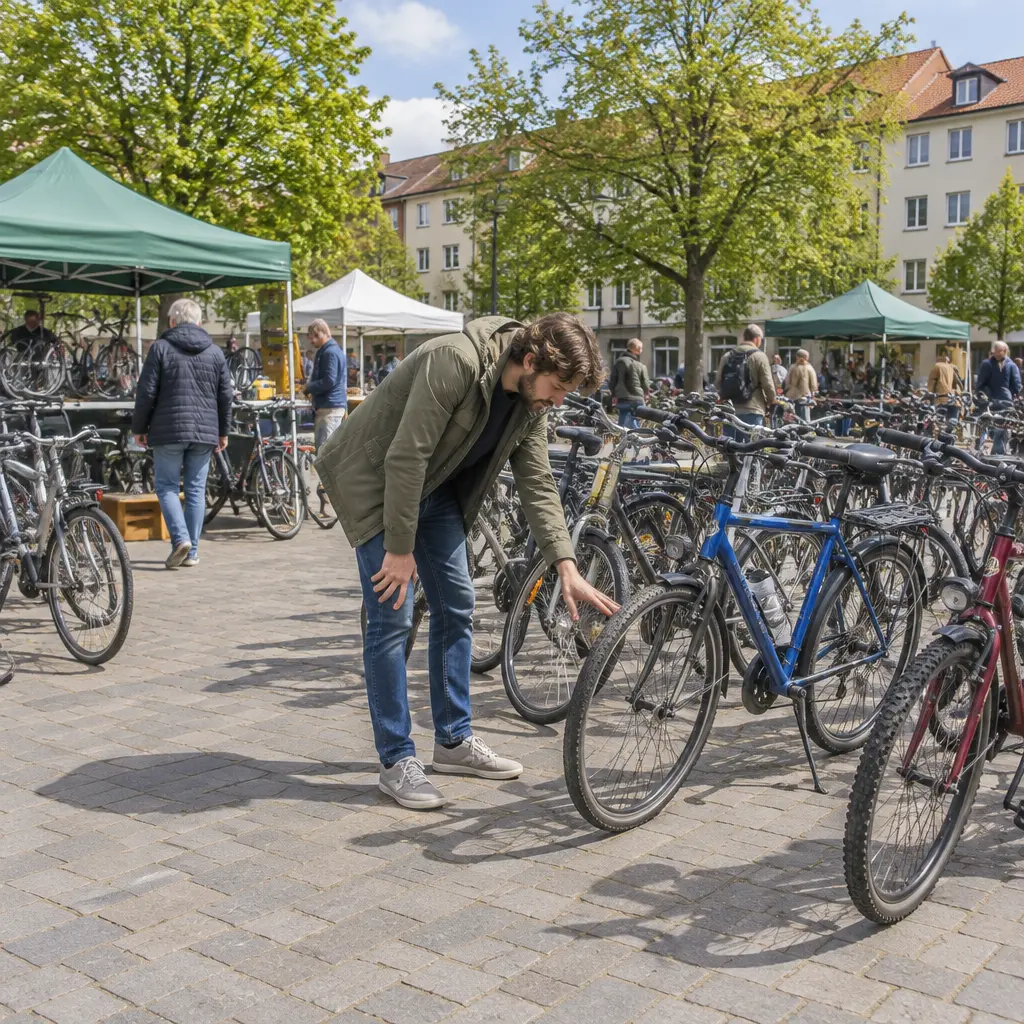
Used-bike prices tend to rise when spring and summer bring more riders into the market and soften when colder weather reduces demand—but the size and timing of the change depend on the bike’s type, condition, location, and the broader market. “Used-bike prices” means the asking or transaction prices for previously owned bicycles; there is no single authoritative national index tracking every private sale. Seasonal listings and marketplace data can therefore show patterns without establishing a universal percentage discount. This guide explains how seasonality affects prices, how bike categories and condition shape the result, what market data can and cannot tell you, and how buyers and sellers can use the calendar strategically.
Seasonality shapes used-bike prices and listing activity
Seasonality is the recurring change in market activity associated with the time of year. For bicycles, it operates mainly through demand: warmer, longer days make riding more attractive, while winter weather can reduce casual shopping and riding in many regions. This can affect how quickly a bike sells and how much room buyers have to negotiate. It does not guarantee that every bicycle becomes cheaper in winter or more expensive in spring.
The National Bicycle Dealers Association describes the bicycle trade as a mix of product categories and channels, while PeopleForBikes tracks cycling participation and industry conditions. Neither publishes a comprehensive month-by-month index of secondhand bicycle transaction prices. As a result, seasonal price claims should be treated as market tendencies rather than fixed rules. Local climate, school and commuting schedules, inventory, and economic conditions can all change the pattern.
Spring and summer: more buyers, stronger competition
Spring and summer are typically the busiest periods for recreational cycling and bicycle shopping in places with pronounced seasons. More potential buyers may be searching for road, hybrid, children’s, and entry-level mountain bikes, which can help well-priced, ready-to-ride listings sell faster. A popular model in good condition may attract multiple inquiries, reducing a buyer’s negotiating leverage.
However, more listings may also appear as people clean out garages or trade up. That extra supply can offset stronger demand, especially for common models. Sellers should compare current local listings rather than assume that a spring listing automatically earns a premium.
Autumn and winter: fewer casual shoppers, more scope to negotiate
In colder or wetter regions, demand for recreational bikes often eases after summer. Some sellers may accept a lower offer rather than store a bike through the off-season, and buyers may have less competition. The effect is most plausible for bikes whose use is strongly seasonal, such as recreational road and trail models.
The pattern is not universal. Commuter and utility bicycles can remain useful year-round, and winter cycling is common in some cities. Indoor training interest can also sustain demand for certain road bikes and trainers. In warm climates, the seasonal dip may be small or absent. A winter purchase is an opportunity to negotiate—not proof that a particular asking price is below market value.
Why listing prices are not the same as sale prices
An advertised price is a seller’s requested amount, not evidence of what a buyer ultimately paid. Listings may be reduced, withdrawn, or never sold, and marketplace data can overrepresent bikes that remain unsold. To estimate a fair price, compare completed sales where available, or use several current local listings for the same model, size, year, and condition. Adjust for included accessories and repairs rather than relying on the original retail price alone.
Bike type and condition determine how seasonal prices move
A useful price comparison begins with the bicycle’s category and condition. These are major attributes of a used-bike valuation: category identifies the bike’s intended use and typical buyer, while condition describes its mechanical and cosmetic state. A seasonal shift in demand may affect categories differently, but a worn drivetrain, damaged frame, or obsolete specification can outweigh the calendar.
The bicycle industry commonly separates products into road, mountain, hybrid, children’s, electric, and other utility or specialty categories. These categories are not interchangeable in resale comparisons. A buyer should compare like with like, including frame size, model year, component level, and whether the bike has been modified.
Road, mountain, and hybrid bicycles
Road bikes may see stronger recreational interest as weather improves, while mountain bikes can be influenced by local trail access and riding conditions. Hybrid bikes often serve both leisure and practical travel, so their demand can be less tied to one season. These are broad tendencies, not a guarantee of price movement: local riding culture and the specific model matter.
For all three categories, compare frame material, component group, wheel condition, and fit. A bike that is the wrong size for most local buyers may take longer to sell even during peak season. Conversely, a desirable size and well-maintained specification can support a competitive price in a quieter month.
Children’s bikes and family buying cycles
Children’s bikes are affected by growth and household schedules as well as weather. Families may shop before spring and summer activities, but they also buy throughout the year when a child outgrows a bike. Because children’s bicycles can have a short period of use, buyers should pay close attention to fit, brakes, tires, and whether the size will remain suitable for the child.
A lower price is not a good value if the bicycle is unsafe or too large to control. The U.S. Consumer Product Safety Commission advises caregivers to choose a properly sized bicycle and ensure it is in safe operating condition. A pre-purchase inspection is especially important when buying an inexpensive children’s bike from a private seller.
Electric bikes and higher-cost components
Used electric-bike prices depend on more than seasonal demand. Battery health, charger availability, motor and display compatibility, service history, and replacement-part support can materially affect value. The U.S. Department of Energy notes that lithium-ion battery performance and service life depend on factors including use and operating conditions; a battery’s apparent charge during a brief test does not establish its remaining capacity.
Before buying, ask for the battery age, service records, and a realistic range test, and verify that the seller can demonstrate the bike and charger working. Because replacement costs can be substantial and systems may be proprietary, an electric bike listed at a steep discount may still be expensive to own if the battery or electronics need attention.
Mechanical condition and repair costs
Condition is the bike’s present state, not simply how clean it looks. The League of American Bicyclists’ basic ABC Quick Check encourages riders to inspect air, brakes, chain, and quick releases or other wheel-retention systems before riding. For a used-bike purchase, also inspect the frame and fork for cracks or impact damage, check wheels for wobble, test shifting, and look for worn tires, brake pads, chain, and drivetrain parts.
Repair estimates help translate condition into a realistic offer. A seller’s low price may reflect immediate service needs, while a higher-priced bike with recent maintenance may be cheaper to own overall. If the frame’s safety is uncertain, do not treat a discount as compensation for the risk; ask a qualified bicycle mechanic to inspect it.
Market forces can override the calendar
Season is only one influence on used-bike prices. New-bike discounts, availability of replacement parts, household budgets, transport needs, and changes in cycling participation can shift supply and demand. During the COVID-19 pandemic, bicycle demand and supply-chain disruption drew widespread attention; subsequent changes in new-bike inventory and retail promotions also affected what buyers might pay for used models. This history is a reminder that a calendar pattern can be overwhelmed by larger market shocks.
The National Bicycle Dealers Association and PeopleForBikes publish industry and participation information, but those measures do not directly reveal the final sale price of an individual secondhand bike. Use industry reports for context, not as a substitute for model-specific comparisons. A used model competing with a heavily discounted new version may need a lower asking price, regardless of season.
Local climate, commuting, and geography
Climate changes the timing of demand. In regions with mild winters, cycling may continue throughout the year; in places with snow, ice, or prolonged rain, recreational riding may concentrate in warmer months. Urban commuters may shop when starting a job or changing their travel routine, while students and families may follow school-year schedules.
Compare prices in the same geographic market when possible. Shipping a bicycle adds cost and risk, and a bike suited to local terrain may be more desirable than one that is common elsewhere. For a meaningful comparison, record the date, location, model, size, condition, and asking price of each listing.
New-bike pricing and model availability
A used bicycle competes with both other used bikes and new inventory. Retail sales, updated model ranges, and clearance pricing can make a new bike more attractive, placing pressure on secondhand asking prices. Conversely, a discontinued model with sought-after specifications may retain interest if buyers value its design or components.
Check the current price of a comparable new bike before buying used. Include the value of warranty coverage, dealer setup, and included accessories, but also account for the used bike’s upgrades and maintenance history. Original retail price alone is a poor guide to current resale value.
How buyers and sellers can use seasonal pricing
A practical strategy uses seasonality as one input alongside local comparables, inspection results, and total ownership cost. Buyers can search outside peak months when convenient, while sellers can prepare a listing before demand rises. Neither strategy guarantees a better result, because the right model and condition may matter more than the month.
Buyer checklist for finding fair value
- Compare several listings or completed sales for the same model, year, frame size, and specification.
- Check the bicycle in person where possible; inspect the frame, fork, wheels, brakes, tires, chain, and shifting.
- Ask about maintenance, crashes, modifications, ownership, and any available purchase records.
- For an electric bike, verify the battery, charger, motor, display, and service support.
- Estimate immediate repairs and compare the total cost with a similar new or professionally refurbished bike.
- Use seasonal timing to guide negotiation, but base an offer on evidence rather than a presumed winter discount.
Seller checklist for setting an asking price
- Identify the exact model, model year, size, and component specification.
- Review comparable local listings and adjust for condition, upgrades, and included accessories.
- Complete inexpensive maintenance and disclose any known faults clearly.
- Photograph the bike in good light, including the drivetrain, tires, brakes, frame, and any damage.
- Choose timing based on likely local demand, while pricing realistically enough to compete with similar listings.
Conclusion: seasonal timing is useful, but condition sets the value
Used-bike prices can strengthen when seasonal demand rises and soften when fewer riders are shopping, particularly in climates with distinct riding seasons. Yet there is no universal month-by-month price index or guaranteed discount. Bike category, condition, local climate, new-bike promotions, and supply can all change the outcome, while asking prices should not be mistaken for completed-sale prices.
Buyers should compare like-for-like bikes, inspect safety and maintenance needs, and treat off-season timing as a possible negotiation advantage. Sellers should research local comparables, document condition, and set expectations around the actual market. For further context, consult cycling-industry reports from PeopleForBikes and the National Bicycle Dealers Association, and have a qualified mechanic assess any bike whose condition or safety is uncertain.
Sources: National Bicycle Dealers Association, Industry Reports and Data, https://nbda.com/industry-reports/; PeopleForBikes, Research and Data, https://peopleforbikes.org/research/; U.S. Consumer Product Safety Commission, Bicycle Safety, https://www.cpsc.gov/Safety-Education/Safety-Education-Centers/Bicycles; U.S. Department of Energy, Batteries for Electric Vehicles, https://www.energy.gov/energysaver/batteries-electric-vehicles; League of American Bicyclists, ABC Quick Check, https://bikeleague.org/ridesmart/abc-quick-check/