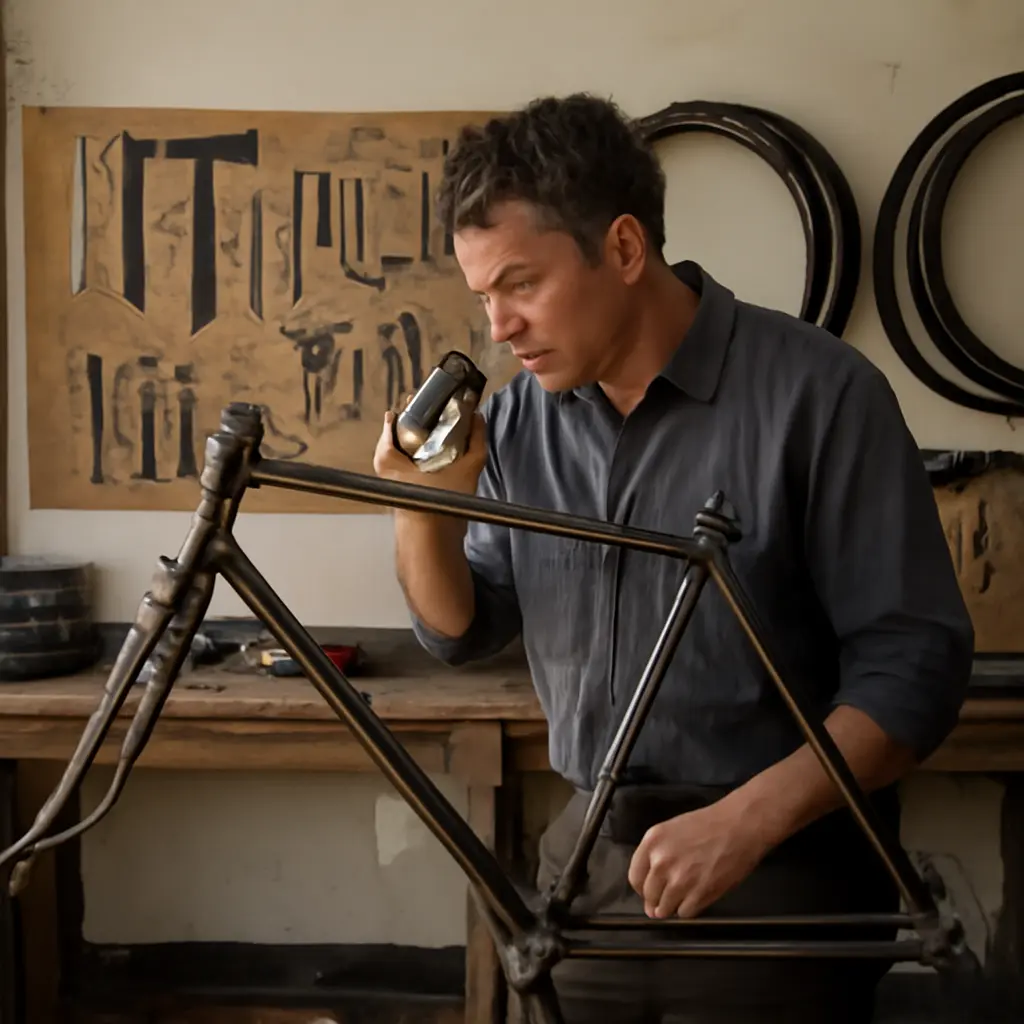
An old steel bicycle frame can be worth more than its scrap value—but age alone does not make it collectible. Before selling, check the maker and model, frame material and construction, condition, originality, and recent comparable sales. These markers help distinguish a sought-after vintage frame from an ordinary used one, while serial-number research and an expert inspection can prevent costly misidentification. The stakes vary: a frame destined for recycling is valued by its metal weight, whereas a desirable, documented frame may appeal to collectors or restoration buyers.
Steel bicycle frame value depends on identity, condition, and evidence
A steel bicycle frame is the structural assembly that supports the bicycle’s components and rider, usually made from joined steel tubes. Its resale value is the price a buyer is willing to pay for that frame in its present condition—not a guaranteed figure based on age, brand reputation, or original retail price. Vintage-cycle references such as Sheldon Brown’s technical and historical bicycle material emphasize the importance of identifying the frame, its construction, and its components before drawing conclusions about what it is.
The most useful value markers are a verifiable maker and model, desirable tubing or construction, originality, sound condition, and evidence from completed sales of genuinely comparable frames. A collectible frame can have a higher value as a complete, recognizable object than as scrap, but there is no reliable universal price premium: location, size, condition, demand, and completeness all matter. A quick way to organize the assessment is to separate collector value, practical restoration value, and material or scrap value.
Maker, model, and serial number
A maker and model identify who built the frame and where it sits in that manufacturer’s range. Look for head badges, decals, stamped marks, distinctive lug shapes, and a serial number, commonly found under the bottom bracket or in another location that varies by manufacturer. Record the number exactly and photograph it; do not assume that a serial-number chart found online applies to every brand or year.
Identification is stronger when several clues agree. A serial number may help narrow a date, but it does not always prove a specific model, and replacement decals can mislead. Compare construction details with period catalogues, manufacturer records, and specialist references. If an apparently valuable frame has an uncertain identity, ask a knowledgeable vintage-bike shop or marque specialist before describing it as a particular model.
Steel tubing and frame construction
Tubing refers to the steel tubes that form the frame; builders and manufacturers have used different tube sets, dimensions, and joining methods. Reynolds and Columbus are examples of well-known tubing makers, but the presence of a tubing decal alone does not establish the frame’s model, quality, or market price. Decals may be missing, replaced, or applied to a frame that does not match the claimed specification.
Inspect the frame for construction clues such as lugged joints, brazed details, tube shapes, and distinctive dropouts. Treat these as evidence to verify, not as a shortcut to a valuation. The tubing manufacturer’s technical information can help explain material designations, while period catalogues or reliable marque references are more useful for connecting those details to a specific bicycle.
Condition and originality change a steel frame’s resale value
Once the frame’s identity is reasonably established, evaluate whether it is safe, complete, and close to its original specification. For a buyer, a recognizable frame with sound tubes and credible documentation is different from an unidentified frame that needs extensive repair. Condition can reduce value substantially, but a well-executed repair or professionally restored finish may be viewed differently from concealed damage or an undocumented repaint.
Rust, dents, cracks, and alignment
Surface rust is corrosion limited to the outer surface; deep corrosion can thin or perforate a tube and compromise structural integrity. Check inside accessible tubes for rust, and inspect the bottom bracket, seat cluster, chainstays, fork, and areas around braze-ons for bubbling paint, cracks, dents, or deformation. A frame that appears straight by eye is not necessarily aligned or safe.
Do not ride or sell a frame as roadworthy if you suspect a crack, severe corrosion, or impact damage. The U.S. Consumer Product Safety Commission advises consumers to inspect bicycles for damage and maintain them appropriately; a qualified mechanic or framebuilder can assess a questionable frame. Disclose known defects clearly, and distinguish an uninspected frame from one professionally checked.
Original paint, parts, and modifications
Originality describes how closely the frame and any included parts match the maker’s period specification. Original paint, decals, fork, and distinctive components can help establish a frame’s history, while a repaint, replacement fork, drilled holes, or added braze-ons may affect collector interest. Modifications do not automatically make a frame worthless, but buyers need to know what has changed.
Photograph decals, paint wear, serial marks, and any alterations before cleaning or refinishing. Avoid aggressive polishing, repainting, or removing old components before researching the frame: those actions may erase useful evidence or reduce appeal to buyers seeking an original example. If restoration is needed, compare the likely costs with completed-sale prices for similar frames in both unrestored and restored condition.
Comparable sales and scrap prices set different value floors
A useful valuation combines market evidence with the cost and risk of preparing the frame for sale. Asking prices show what sellers hope to receive; completed transactions are better evidence of what buyers have actually paid. Compare frames with the same maker or model, similar size, condition, completeness, and location, and note whether shipping or included parts affected the final price.
Use completed sales, not optimistic listings
A comparable sale is a completed transaction for an item sufficiently similar to the one being valued. Search auction archives and marketplace sold listings, then exclude examples that differ materially—for example, a complete, professionally restored bicycle is not a direct comparison for a bare frame with uncertain history. Record several examples rather than relying on a single unusually high or low result.
The International Society of Appraisers describes market-based appraisal as requiring relevant, verifiable information about comparable property and its market. For an informal bicycle-frame estimate, the same principle is useful: document the comparison, date, condition, and sale context. If the frame may be exceptionally rare or valuable, seek a specialist appraisal rather than treating online listings as definitive evidence.
Estimate the scrap alternative separately
Scrap value is the amount recoverable from the metal as recyclable material, not the frame’s collectible or riding value. Scrap yards commonly price ferrous metal by weight and may apply local rates, sorting requirements, or minimum quantities. The U.S. Geological Survey’s annual mineral commodity summaries track national iron and steel recycling and markets, but those broad statistics are not a quote for an individual bicycle frame.
For a practical comparison, weigh the frame, ask local recyclers for their current ferrous-scrap rate, and account for any minimum-load rules. Then compare that estimate with the likely net sale proceeds after fees, packaging, and shipping. A frame with no identifiable model, severe damage, or little buyer interest may be worth closer to its material value; a desirable frame in sound condition should be researched before being scrapped.
Documentation and honest descriptions protect the sale
A clear listing helps buyers assess both value and risk. Include the frame’s measured size, serial number location, known maker or model, condition, included parts, and any repairs or modifications. State which details are confirmed and which are educated guesses; avoid claims such as “rare,” “original,” or “Reynolds” unless you can support them.
Use well-lit photographs of the full frame, fork, dropouts, bottom bracket, head tube, serial number, paint defects, and any damage. Keep receipts, catalogue references, and inspection notes. These records do not guarantee a higher price, but they make a claim easier to verify and can reduce disputes after the sale.
Conclusion: verify the frame before choosing a buyer
A steel frame’s value rests on several connected markers: identity establishes what it is; tubing and construction add context; condition and originality shape its appeal; and completed comparable sales provide a realistic market check. Scrap value is a separate fallback, best estimated using the frame’s weight and a current local quote rather than national steel statistics.
Before selling, photograph and document the frame, verify its maker and serial number where possible, inspect it for damage, and compare genuinely similar completed sales. If the evidence suggests a rare or valuable model, consult a vintage-bike specialist before accepting a scrap offer or making irreversible changes.
Sources: Sheldon Brown, Bicycle Technical Information, https://www.sheldonbrown.com/; Reynolds Technology, Bicycle Tubing, https://reynoldstechnology.biz/; Columbus, Bicycle Tubing, https://www.columbus1919.com/; U.S. Consumer Product Safety Commission, Bicycle Safety, https://www.cpsc.gov/Safety-Education/Safety-Guides/Sports-Fitness-and-Recreation/Bicycles; International Society of Appraisers, Appraisal Process, https://www.isa-appraisers.org/; U.S. Geological Survey, Mineral Commodity Summaries: Iron and Steel, https://www.usgs.gov/centers/national-minerals-information-center/mineral-commodity-summaries