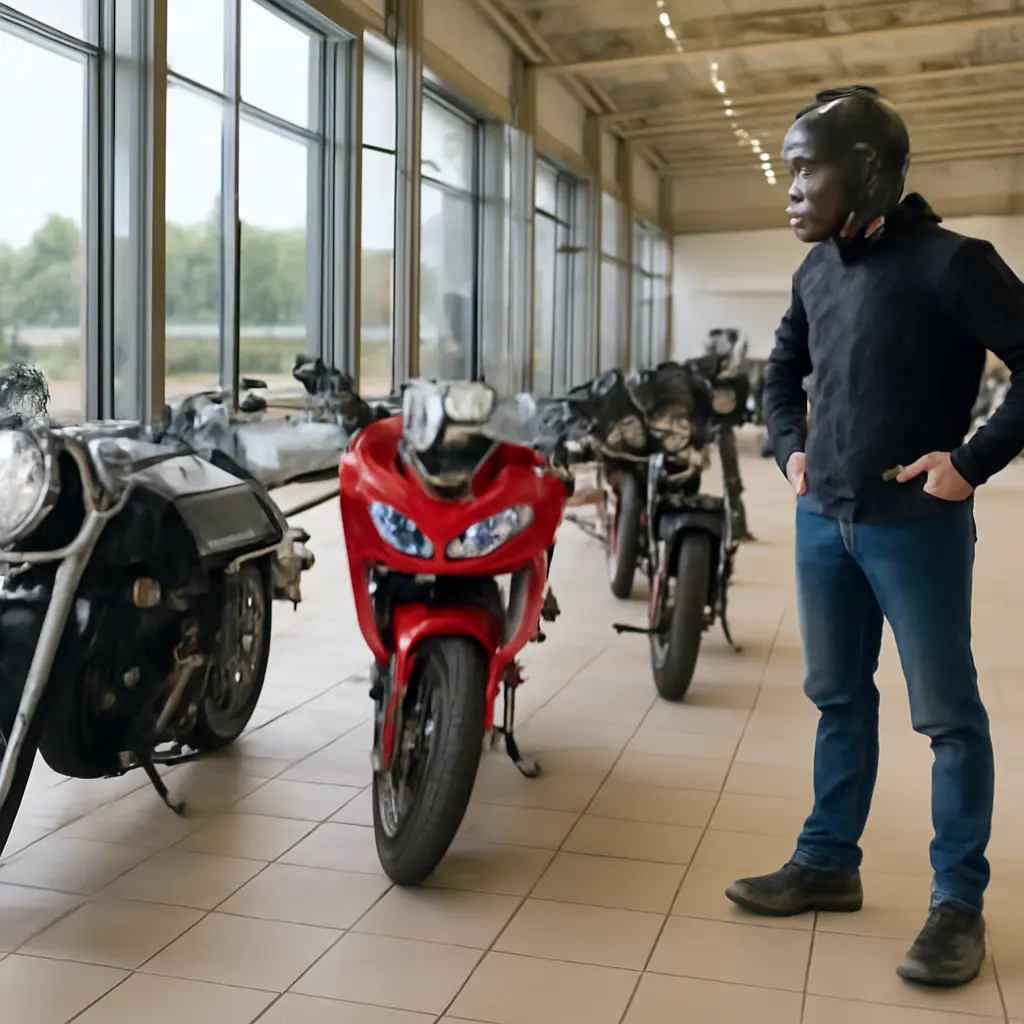
A first motorcycle is a manageable, reliable bike that helps a new rider build skills without demanding more power, weight, or cost than necessary. Three used models stand out as sensible starting points: the Honda Rebel 500, Kawasaki Ninja 400, and Yamaha MT-03. They offer approachable performance in cruiser, sport, and naked-bike formats, respectively, while used examples can reduce the cost of entry. The right choice still depends on fit, condition, local prices, and a pre-purchase inspection—not reputation alone.
Why beginner-friendly used motorcycles matter
A beginner-friendly motorcycle is not simply a low-powered bike. It should be predictable at low speeds, fit the rider well enough to support confident stops, and be available in a condition the buyer can verify. Engine size is only one factor: seat height, weight distribution, throttle response, braking, maintenance history, and the cost of replacement parts all shape the learning experience.
The safety case for taking training seriously is strong. The U.S. National Highway Traffic Safety Administration reported 6,335 motorcyclist deaths in 2023, and its crash data consistently show that motorcycling carries risks that make protective gear, training, and sober, attentive riding essential. A suitable first bike cannot prevent a crash, but a manageable motorcycle can give a novice a more forgiving platform for learning basic control.
The models below are examples, not universal prescriptions. Model years differ in equipment and specifications, and used-bike prices vary widely by region, mileage, season, and condition. Compare local listings for the same year and trim rather than relying on a single national price estimate.
Used motorcycle selection depends on fit, power, and condition
The Motorcycle Safety Foundation (MSF) teaches riding through a structured progression that includes basic controls, braking, turning, and hazard response. Its training approach supports a practical buying principle: choose a motorcycle that allows the rider to concentrate on technique rather than wrestle with excessive weight or abrupt power delivery. There is no single official definition of a “beginner bike”; the term is a practical category based on a rider’s experience, physical fit, intended use, and the motorcycle’s behavior.
For a first purchase, consider three connected categories: a standard or naked motorcycle for upright, general-purpose riding; a sport-style motorcycle for a forward-leaning appearance and responsive handling; and a cruiser for a lower seat and relaxed posture. Within those categories, the Rebel 500, Ninja 400, and MT-03 are useful candidates to compare—not because every used example is automatically safe or suitable, but because each represents a distinct riding position and ownership trade-off.
Fit and low-speed control
Fit means more than being able to touch the pavement with both feet. A rider should be able to reach the bars and controls comfortably, steer through a parking-lot turn, and support the motorcycle during a stop. Seat height can help, but seat width and the bike’s center of gravity affect how tall it feels. Sit on the actual motorcycle in riding gear before deciding.
Power and intended use
Engine displacement is a rough indicator, not a complete measure of difficulty. Two motorcycles with similar displacement can differ in gearing, throttle response, weight, and power delivery. Think about where the bike will be used: a light urban commuter, a weekend back-road bike, and a regular highway motorcycle may call for different compromises. Check the exact model-year specifications and take a trained, experienced rider’s advice rather than choosing by engine size alone.
Used-bike condition and ownership cost
A used motorcycle’s maintenance record, title status, tires, chain, brakes, and signs of crash damage may matter more than its odometer reading. The MSF recommends learning from qualified instructors, while NHTSA advises riders to use approved helmets and protective equipment. Budget for a helmet that meets the applicable safety standard, gloves, jacket, pants, boots, insurance, registration, and any maintenance due immediately after purchase.
Honda Rebel 500 offers an approachable cruiser layout
The Honda Rebel 500 is a middleweight cruiser with a low seat, relaxed ergonomics, and a parallel-twin engine. Those traits can make it appealing to riders who prefer a feet-forward posture and easy confidence at stops. Honda’s published specifications vary by model year and market, so confirm the seat height, curb weight, braking equipment, and features for the exact bike being considered.
Why the Rebel 500 may suit a new rider
Its low seat can help some riders feel settled when stationary, and its cruiser form offers a distinct alternative to sport-bike ergonomics. The twin-cylinder layout also makes it more versatile than a very small city-only motorcycle for riders who expect a mix of local roads and occasional longer trips. These advantages depend on personal fit: a low seat does not guarantee that the bike’s weight or handling will feel comfortable to every novice.
What to inspect on a used Rebel 500
Look for maintenance records, smooth clutch operation, leaks, damaged levers or bar ends, and uneven tire wear. Check for scrapes on the engine covers, foot controls, and exhaust that could indicate a drop or slide. If the bike has aftermarket handlebars, exhaust, or other modifications, verify that the changes are professionally installed and legal where you ride. Arrange an independent inspection if you cannot assess its mechanical condition yourself.
Kawasaki Ninja 400 balances sport styling with everyday usability
The Kawasaki Ninja 400 is a lightweight sport-style motorcycle known for pairing full fairings with a parallel-twin engine. Its compact proportions and comparatively modest displacement can make it a candidate for riders who want sport-bike looks without beginning on a high-performance supersport. Kawasaki specifications and equipment change across model years and markets; verify details for the specific used listing.
Why the Ninja 400 may suit a new rider
The Ninja’s sport-bike shape can appeal to riders who value a more forward riding position and want a motorcycle suited to commuting as well as recreational rides. It is generally more approachable than larger, more powerful supersport machines, but “approachable” does not mean risk-free. New riders should learn gradual throttle control, braking, and cornering in a proper course before riding in demanding traffic or at high speeds.
Used Ninja 400 checks and trade-offs
Fairings can conceal damage, so inspect panels, mounting points, steering stops, and frame areas for cracks, mismatched fasteners, or evidence of a fall. Ask whether the motorcycle has been used for track days, modified, or repaired after a crash, and confirm the title and vehicle identification number. Compared with an upright standard, the riding position may put more weight on the wrists; a test sit is essential, especially for riders planning long commutes.
Yamaha MT-03 provides an upright naked-bike alternative
The Yamaha MT-03 is a small-displacement naked or standard-style motorcycle with an upright riding position and exposed bodywork. Its layout can make the bars and controls feel accessible for everyday riding, while its relatively compact size may appeal to urban commuters. Confirm the specific year’s specifications and equipment through Yamaha’s owner information or model documentation.
Why the MT-03 may suit a new rider
An upright posture gives riders a clear view of traffic and a position many find natural for low-speed practice. The MT-03 can be a useful middle ground for someone who does not want cruiser ergonomics or a sport-bike crouch. As with any motorcycle, the rider should assess throttle response, reach to the ground, and comfort during a full-lock turn rather than assuming that a smaller engine automatically makes a bike easy.
Used MT-03 inspection priorities
Check the fork seals for oil, examine the handlebars and controls for impact marks, and inspect the chain, sprockets, brake pads, and tires. A naked bike has fewer fairings than a fully faired sport model, but exposed components can still show signs of a tip-over or poor storage. Review service intervals in the owner’s manual and compare the seller’s records with the work due at the motorcycle’s current mileage.
Choosing among the three used models
These motorcycles represent three different priorities: the Rebel 500 emphasizes cruiser comfort and a low seat; the Ninja 400 offers sport styling and a more forward posture; and the MT-03 provides an upright, general-purpose layout. A chart can help organize the comparison, but exact specifications should be checked against the model year and local-market version.
- Choose the Rebel 500 if its cruiser position feels natural and you value a low seat and relaxed ergonomics.
- Consider the Ninja 400 if you prefer sport-bike styling and are comfortable with its more forward-leaning posture.
- Consider the MT-03 if you want an upright riding position for everyday use and a compact standard-style motorcycle.
Before making an offer, compare several examples of the same year, check local registration and insurance costs, and price the work needed to bring each bike up to date. Have a qualified mechanic inspect any motorcycle whose history or condition is uncertain. A clean, well-maintained example in the right fit is a better first ride than a more prestigious model with hidden damage or deferred maintenance.
Conclusion: Start with the bike that supports safer learning
The Honda Rebel 500, Kawasaki Ninja 400, and Yamaha MT-03 are three used models worth considering because they offer distinct, comparatively approachable ways into motorcycling. The Rebel prioritizes cruiser ergonomics, the Ninja brings sport-bike form, and the MT-03 takes an upright standard approach. None is the right choice for every rider, and no model replaces training, protective gear, and careful riding.
Take a certified beginner course, sit on each candidate, verify its exact-year specifications, and arrange a professional inspection before buying. For further guidance, consult the Motorcycle Safety Foundation’s rider-training resources, NHTSA’s motorcycle safety information, and the manufacturer’s owner manuals for the specific models you are considering.
Sources: National Highway Traffic Safety Administration, Traffic Safety Facts: Motorcycles, 2023 Data, https://crashstats.nhtsa.dot.gov/Api/Public/ViewPublication/813732; Motorcycle Safety Foundation, Basic RiderCourse, https://msf-usa.org/start-your-ride/; National Highway Traffic Safety Administration, Motorcycle Safety, https://www.nhtsa.gov/road-safety/motorcycles; Honda Motor Co., Rebel 500, https://powersports.honda.com/motorcycle/cruiser/rebel-500; Kawasaki Motors Corp., U.S.A., Ninja 400, https://www.kawasaki.com/en-us/motorcycle/ninja/sport/ninja-400; Yamaha Motor Corporation, U.S.A., MT-03, https://www.yamahamotorsports.com/models/mt-03.