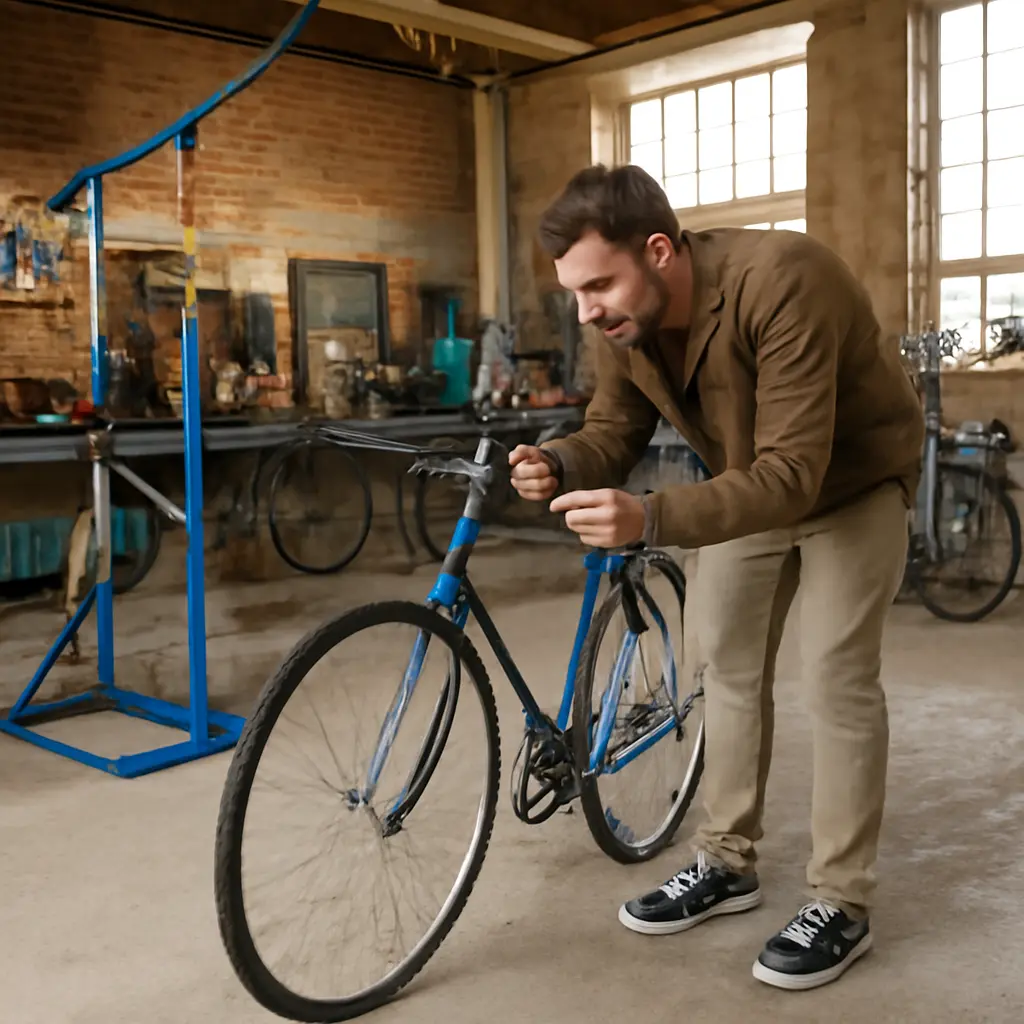
A secondhand road bike is a pre-owned bicycle designed primarily for paved roads, usually with a drop handlebar and relatively narrow tires. Finding one that fits your budget means comparing the complete cost—not just the seller’s asking price—against fit, condition, and repair needs. A sensible search starts with a realistic price ceiling, checks the frame and components carefully, and includes money for a professional inspection or immediate maintenance. These steps matter because a low sticker price can quickly rise if the bike needs tires, a drivetrain, or other repairs.
Set a budget for a secondhand road bike
A bike’s total cost of ownership is the purchase price plus necessary repairs, safety equipment, and any parts needed to make it fit. There is no single reliable “normal” secondhand price: location, brand, age, condition, and demand all affect listings. Instead of treating a bargain listing as a bargain automatically, decide your maximum all-in spend first and compare bikes on the same basis.
Separate purchase price from ownership cost
Ownership costs can include a tune-up, replacement tires or tubes, brake pads, a chain, lights, a helmet, and a lock. Ask a local bike shop for an estimate if inspection reveals worn parts. As a simple example, if your total ceiling is $600 and the bike needs $150 in repairs and essential equipment, the asking price needs to leave room for those costs. Treat that calculation as a budgeting method, not a claim about typical repair prices; shop rates and parts prices vary.
Compare like with like
Compare bikes with similar frame materials, age, gearing, condition, and included components. A dated but well-maintained bike may be a better value than a newer model with neglected brakes and a worn drivetrain. Check completed sales where available, not just current asking prices, and remember that online listings may not reflect local market conditions.
Choose a secondhand road bike by fit and type
Fit is the relationship between a rider’s body and the bike’s frame and contact points. A bike that is the wrong size can be uncomfortable and difficult to control, even if its parts are high quality. REI’s bike-fit guidance recommends considering frame size and adjustments such as saddle height and handlebar position; model sizing charts are a useful starting point, but a test ride is essential.
Traditional road and endurance bikes
Traditional road bikes generally emphasize a more stretched riding position, while endurance models commonly offer a more upright position intended for longer rides. Names and geometry vary between manufacturers, so assess the actual bike rather than relying only on its category label. During a test ride, check that you can reach the brake levers comfortably, steer with control, and pedal without your knees or hips feeling cramped.
Older, steel, and entry-level models
A steel frame or an older groupset is not automatically a problem; sound condition and suitable fit matter more than age alone. However, older bikes may use less common parts, different wheel standards, or braking systems that are harder to service. Confirm that replacement tires, tubes, brake pads, and drivetrain parts are available locally before buying, especially if the bike has unusual components.
Inspect a secondhand road bike before paying
A pre-purchase inspection is a systematic check of the frame, wheels, brakes, steering, and drivetrain. The League of American Bicyclists’ basic bicycle-safety guidance emphasizes checking essential systems before riding. For a used purchase, combine those safety checks with a close look for damage and wear; if you are unsure, arrange an inspection at a reputable bike shop before handing over money.
Frame, fork, and wheels
Look closely for cracks, dents, deep scratches, corrosion, and signs that the frame or fork has been repaired. Pay particular attention around welds, the head tube, bottom bracket, and fork. Spin each wheel to check that it runs reasonably true, inspect the rims for damage, and check for loose or rough-feeling hubs. Do not buy a bike with suspected structural damage unless a qualified professional has assessed it.
Brakes, gears, and drivetrain wear
Test both brakes and make sure the levers feel firm and the bike stops predictably. Shift through the gears while pedaling, listening for persistent skipping or grinding. Inspect the chain and cassette for wear; a worn chain can also accelerate wear on the chainrings and cassette, turning a relatively small maintenance job into a larger bill. A chain-wear checker is inexpensive, but a shop can assess the drivetrain if you do not have one.
Tires, saddle, and contact points
Check tire sidewalls for cracking, tread for damage, and tubes for repeated loss of air. Make sure the saddle, handlebars, and pedals are secure and in usable condition. Replacing worn tires may be necessary for safety, even if the bike rolls during a brief test ride; include that cost in your offer rather than assuming the seller has priced it in.
Find a secondhand road bike safely
Good sources include local bike co-ops, reputable shops selling trade-ins, community cycling groups, and online marketplaces. Shops and co-ops may offer a basic inspection or limited support, while private listings can provide more choice but require greater care. The best channel depends on your local inventory, budget, and confidence evaluating a bike.
Ask the seller useful questions
Ask for the bike’s model and approximate age, the frame size, maintenance history, known faults, and any recent component replacements. Request clear photographs of the frame, drivetrain, wheels, and serial number. A seller who cannot answer every question is not necessarily dishonest, but evasive answers, pressure to pay immediately, or refusal to allow an inspection are reasons to walk away.
Check ownership and avoid payment traps
Ask for proof of purchase if available and compare the frame’s serial number against any documentation. In the United States, Bike Index and Project 529 offer bicycle-registration and theft-recovery tools; check their records where practical, while recognizing that no registry can establish ownership with certainty. Meet in a public place, inspect the bike in person, and avoid sending deposits through irreversible payment methods before verifying that the bike exists and matches the listing.
A practical example: compare the whole deal
Imagine two listings with similar fit and intended use. Bike A costs less but has cracked tires and a chain that skips under load. Bike B costs more but has serviceable tires, reliable shifting, and evidence of recent maintenance. Bike A is only the better deal if its purchase price plus repairs remains lower than Bike B’s total cost—and if the frame and fork are safe. A local shop’s inspection can help turn that comparison from guesswork into a grounded decision.
Conclusion: buy for condition, fit, and total cost
A budget-friendly secondhand road bike is one that fits you, is structurally sound, and costs less to buy and make roadworthy than the alternatives. Set an all-in limit, compare similar models, inspect the frame and safety-critical parts, and verify the seller and ownership as carefully as you can. Before committing, take a test ride and consider a professional inspection. For further guidance, consult a local bike co-op or shop and review the fit and safety resources from REI and the League of American Bicyclists.
Sources: REI Co-op, How to Choose a Bike, https://www.rei.com/learn/expert-advice/bicycle.html; League of American Bicyclists, Bicycle Safety, https://bikeleague.org/ridesmart/bicycle-safety/; Bike Index, Bike Index, https://bikeindex.org/; Project 529, 529 Garage, https://project529.com/garage.