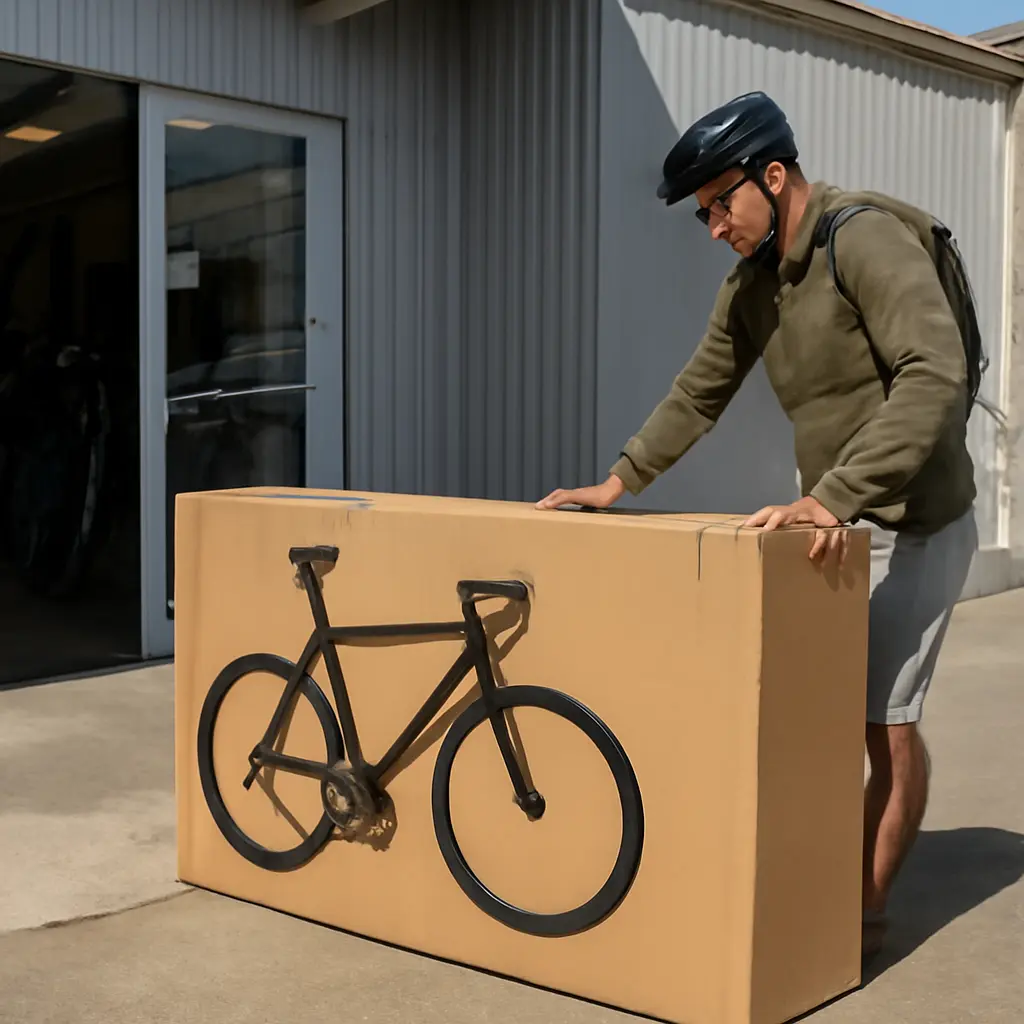
Shipping a bicycle and collecting it locally are two ways to get a bike from seller to buyer, but they differ in cost, convenience, timing, and risk. Bike shipping means a carrier transports the bicycle, usually in a bike box or case; local pickup means the buyer travels to the seller and takes possession directly. For a used bike, a local purchase can avoid freight charges and carrier handling, while shipping can make a much larger selection available beyond driving distance. The right choice depends on the bike’s value and condition, the distance involved, packaging and insurance, and the buyer’s ability to inspect and transport it. U.S. Department of Transportation data show that Americans made 1.1 billion bicycle trips in 2022, illustrating the scale of cycling activity—but the best way to acquire any individual bike still depends on the transaction.
How Bike Shipping and Local Pickup Compare on Cost, Convenience, and Risk
There is no single official definition that covers every bicycle-shipping product. In practice, bike shipping is the carrier-based transport of a bicycle between locations, typically after the bike has been prepared for transit. Local pickup is a face-to-face collection in which the buyer or a representative retrieves the bicycle directly from the seller. These are alternative fulfillment methods, not equivalent guarantees: the final cost and risk depend on service terms, distance, bike preparation, and the opportunity to inspect the bicycle.
The distinction matters because a headline delivery price does not necessarily include packaging, pickup, insurance, or assembly. Likewise, local pickup is not automatically risk-free: the buyer may incur travel expenses and may have limited time or equipment for checking the bike. A sensible comparison considers the full transaction, from seller verification through safe arrival or transport home.
Carrier shipping: access to a wider market
Carrier shipping is the transport of a packaged bicycle through a parcel or freight network. Specialized bicycle-shipping companies may arrange a box, a carrier label, or shipment coordination; general parcel carriers may accept properly packaged bikes subject to their size, weight, and service rules. A shipped purchase can connect buyers with distant private sellers, retailers, or used-bike listings that would otherwise be impractical to reach.
The trade-off is that the bicycle must withstand handling and the buyer may not inspect it in person before purchase. Shipping charges vary by route, dimensions, service level, and whether the bicycle is already boxed. The Federal Trade Commission advises consumers buying online to check seller terms, delivery expectations, and return policies before paying; those precautions are particularly relevant when an item is expensive or difficult to return. Ask in writing who is responsible if the bike arrives damaged, what evidence is required for a claim, and whether coverage applies to the bicycle’s full declared value.
Local pickup: direct inspection and handoff
Local pickup is a direct transfer of the bicycle from seller to buyer, generally without a carrier. Its main advantages are the chance to examine the bike before payment and the ability to avoid shipping and packing fees. A short ride or inspection can help reveal issues such as damaged components, poor shifting, brake problems, or a frame that does not fit. The buyer can also ask the seller about maintenance and ownership history.
Pickup still has costs: fuel, public transport, time, and possibly a suitable vehicle or rack. Before traveling, confirm the bike’s size, condition, included accessories, meeting location, and payment method. For a private-party sale, record the frame serial number and request documentation or other reasonable evidence of ownership. A local handoff makes inspection possible, but it does not replace a careful check or guarantee that hidden faults will not appear later.
The practical cost comparison
The relevant comparison is the total cost of receiving a usable bike—not merely the carrier’s quoted fee. For shipping, include packing materials or professional boxing, transport, optional protection, and any assembly or tune-up. For pickup, include travel expenses, time, and the cost of safely carrying the bicycle home. A local option may be cheaper when the seller is nearby; a shipped option may be more economical when a long journey would otherwise be required or when the available local selection is limited.
- Request an itemized shipping quote based on the packed bicycle’s dimensions and weight.
- Ask whether the seller, shop, or buyer is responsible for disassembly and packing.
- Compare the full pickup journey against the shipping and assembly costs.
- Check return, refund, damage-claim, and delivery-delay terms before payment.
How Bike Shipping and Local Pickup Affect Safety and Condition
Once cost and availability are considered, the next comparison is how each method protects the bike and the buyer. Shipping introduces packaging and transit risks; pickup introduces travel and in-person transaction considerations. Neither method removes the need to verify condition, ownership, and the seller’s claims.
Packaging, transit damage, and documentation
A bicycle shipment is only as secure as its preparation and packaging. Depending on the bike and shipping method, preparation may include removing pedals and the front wheel, protecting the frame and components, and securing loose parts so they cannot move inside the box. Follow the carrier’s current packaging requirements and, if uncertain, use a bicycle shop or experienced packer. Photograph the bike before packing and retain photographs of the packed box, shipping label, and any visible damage on arrival.
The U.S. Consumer Product Safety Commission recommends that bicycle riders wear properly fitted helmets and maintain their bicycles, including checking brakes and tires. Those general safety practices also make sense after delivery: inspect the bicycle before riding, confirm that removed parts have been correctly reinstalled, and have a qualified mechanic check a costly or visibly damaged bike. A shipping claim may have strict notice deadlines, so report damage promptly and preserve the packaging until the seller or carrier confirms it is no longer needed.
In-person inspection and private-sale precautions
A local handoff gives the buyer an immediate chance to compare the bicycle with the listing. Check the frame for cracks, dents, or unusual repairs; test both brakes; shift through the gears; inspect tires and wheels; and verify that the bike is the advertised size and model. For an e-bike, check the battery, charger, display, and any available service records. A mechanic’s inspection is appropriate when the buyer cannot confidently assess the bike or when the purchase price warrants it.
For both shipped and locally collected used bikes, retain the listing, messages, payment record, and any written statements about condition. The National Bike Registry, operated by Project 529, provides a bicycle-registration and recovery service; recording a serial number and keeping identifying photos can help document ownership. Buyers should also be cautious of requests to use unusual payment methods or to send money before receiving credible information about the seller and bicycle.
Delivery timing, convenience, and accessibility
Shipping can be convenient when a seller is far away, the buyer lacks a car, or the bicycle is being sent to a destination such as a new home. Its timing depends on dispatch, carrier schedules, weather, and any service delays; the seller’s promised ship date is not necessarily the delivery date. Confirm tracking availability and whether someone must be present to receive the package.
Pickup can provide immediate possession and avoid waiting for a shipment, but only if the buyer can travel at a mutually workable time and transport the bike safely. It may be less accessible for people without a vehicle, those with mobility constraints, or buyers who cannot travel to the seller. In those cases, a local bike shop, delivery service, or trusted representative may offer a middle ground, though additional fees and responsibilities should be agreed upon in advance.
Choosing Between Bike Shipping and Local Pickup for Different Purchases
The best method changes with the type of bicycle and the transaction. A standard, lower-cost bike from a nearby seller is often straightforward to inspect and collect. A specialty frame, uncommon size, or specific model may justify shipping because the right option may not be available locally. For high-value or electric bicycles, the buyer should weigh the shipment’s declared-value terms, battery-transport rules, and the cost of a professional inspection or packing service.
Used bicycles from private sellers
For a used bike, local pickup is generally preferable when practical because it lets the buyer verify the bicycle and seller before completing the transaction. If shipping is necessary, request current, detailed photographs, a serial number, a written description of defects, and confirmation of packing and shipping responsibilities. Agree on what happens if the bicycle differs materially from the listing or arrives damaged, and use a payment method with protections appropriate to the transaction.
New bikes and purchases from retailers
A retailer may offer shipment in a manufacturer’s carton, delivery to a shop for assembly, or in-store collection. Compare what each option includes: some bikes arrive partly assembled, while others require additional setup before safe use. Ask whether assembly, a safety check, and adjustments are included, and clarify how warranty support works if the bicycle is delivered rather than collected.
High-value, electric, and specialty bikes
High-value and specialty bikes deserve extra attention to valuation, packing, and documentation. Electric-bike batteries can be subject to carrier restrictions because lithium batteries are regulated for transport; the U.S. Department of Transportation’s Pipeline and Hazardous Materials Safety Administration explains that lithium-battery shipments must follow applicable safety requirements. Confirm that the carrier accepts the battery and that the seller follows the rules for the specific battery and service. For an expensive bike, professional packing, a clearly documented condition report, and a confirmed claims process may be worth the added cost.
A Decision Checklist for Bike Shipping Versus Pickup
Use the following checklist to make a like-for-like comparison before paying or setting out to collect a bike.
- Verify the bicycle: Confirm model, size, serial number, condition, included parts, and the seller’s evidence of ownership.
- Calculate total cost: Add shipping, packaging, insurance or declared-value charges, assembly, travel, and time-related costs.
- Assess inspection needs: Favor pickup when an in-person check is important; if shipping, request detailed images and written condition disclosures.
- Confirm responsibility: Establish who packs the bike, books the carrier, insures it, files a damage claim, and pays for a return.
- Plan safe arrival: Arrange a suitable delivery location or a safe way to transport the bike from the pickup point.
- Inspect before riding: Check brakes, wheels, tires, steering, drivetrain, frame, and any e-bike electrical components.
A simple comparison chart can make the choice clearer: list the total estimated cost, expected time, inspection opportunity, damage exposure, and return options for each method. The best option is the one that meets the buyer’s practical needs while making the bicycle’s condition and transaction responsibilities clear.
Conclusion: Match the Bike’s Value and Risks to the Handoff Method
Bike shipping expands the available market and can save a long trip, but it requires reliable packaging, clear carrier terms, and a plan for damage or returns. Local pickup offers direct inspection and an immediate handoff, but travel costs and transport limitations can reduce its advantage. For used bikes, condition checks and seller verification matter whichever method is chosen; for electric and high-value bikes, packaging, insurance terms, and battery rules deserve particular scrutiny.
Before committing, compare the full cost and risk of both options, document the bike’s condition, and confirm who is responsible at each stage. Buyers can consult carrier packaging guidance, consumer-protection advice, and bicycle-maintenance resources to prepare for a safer purchase and first ride.
Sources: U.S. Department of Transportation, National Household Travel Survey, 2022, https://nhts.ornl.gov/; Federal Trade Commission, Online Shopping, https://consumer.ftc.gov/articles/online-shopping; U.S. Consumer Product Safety Commission, Bicycle Safety, https://www.cpsc.gov/Safety-Education/Safety-Guides/Sports-Fitness-and-Recreation/Bicycles; Project 529, National Bike Registry, https://project529.com/garage; U.S. Department of Transportation, Pipeline and Hazardous Materials Safety Administration, Lithium Batteries, https://www.phmsa.dot.gov/lithiumbatteries.